Silver Tea Set With Ivory
.jpg "r5290 1 1200x800px")

Silver Tea Set With Ivory
- Sale Date: 22nd April 2026
- Estimated Price: 1,500.00
- Gavel Price: £1,700.00
Item Description
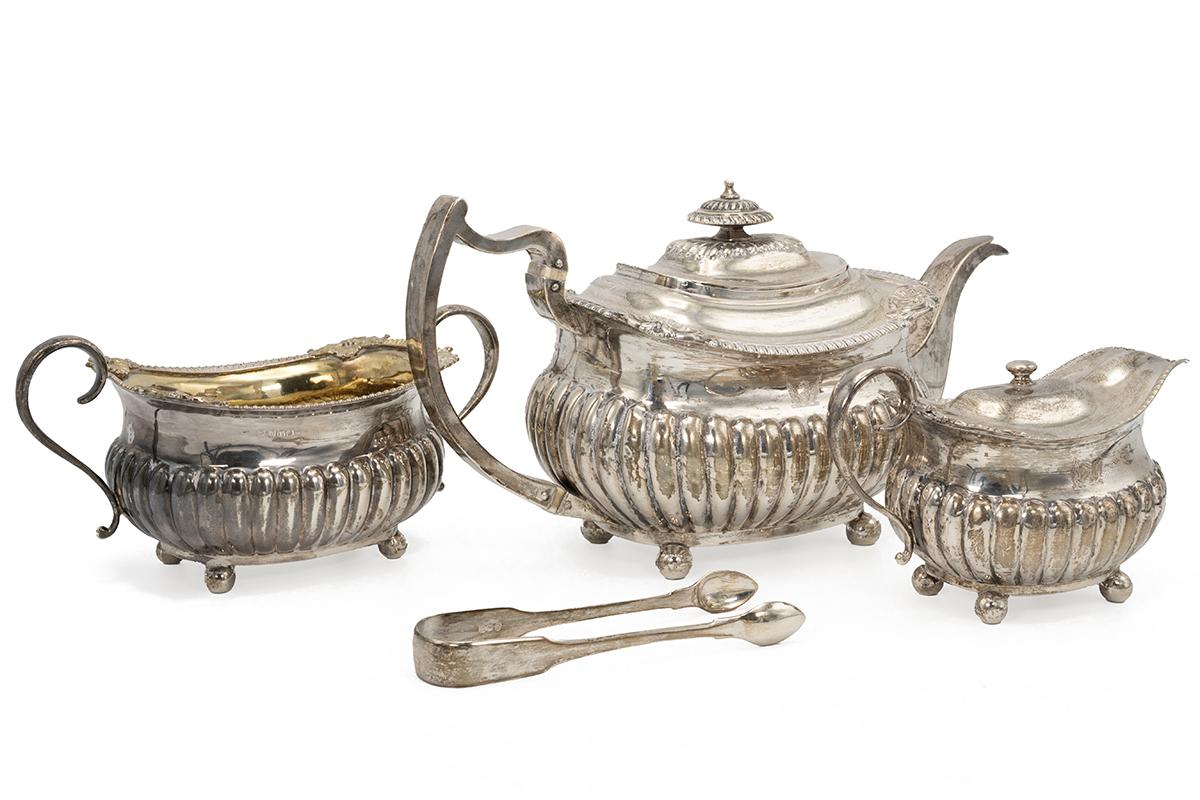
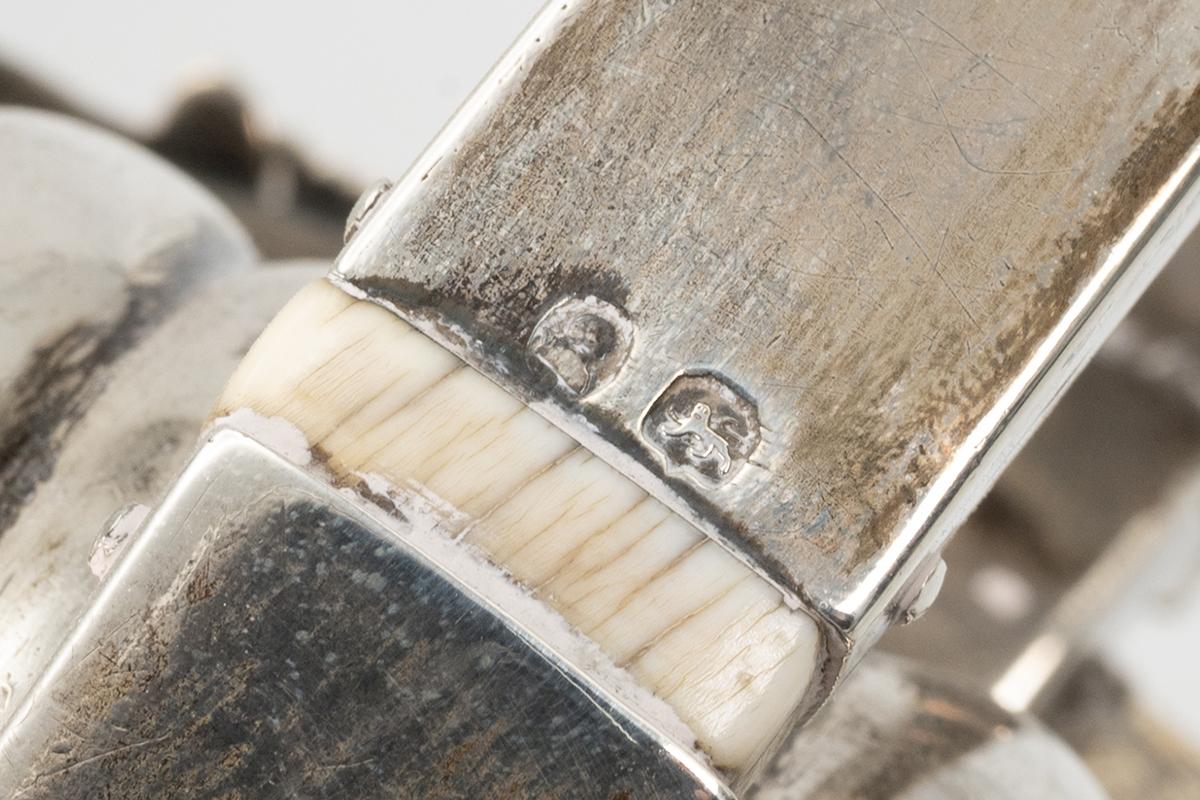
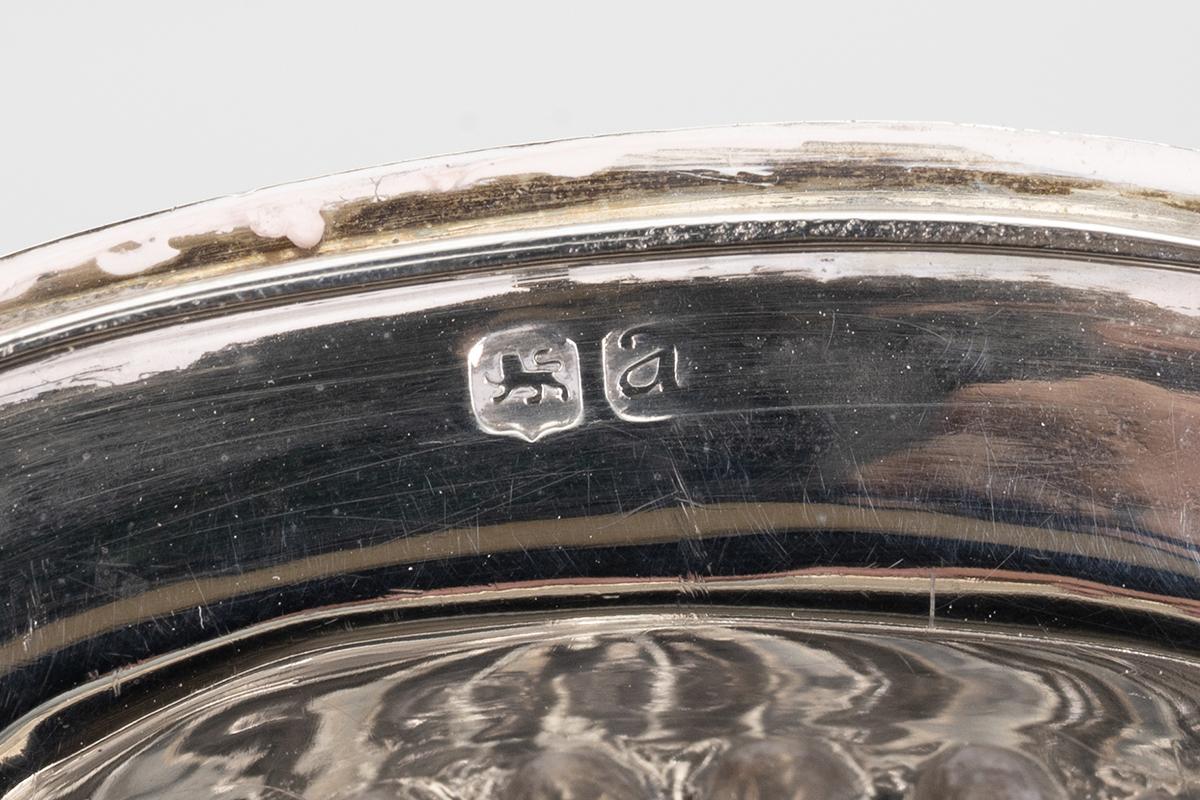
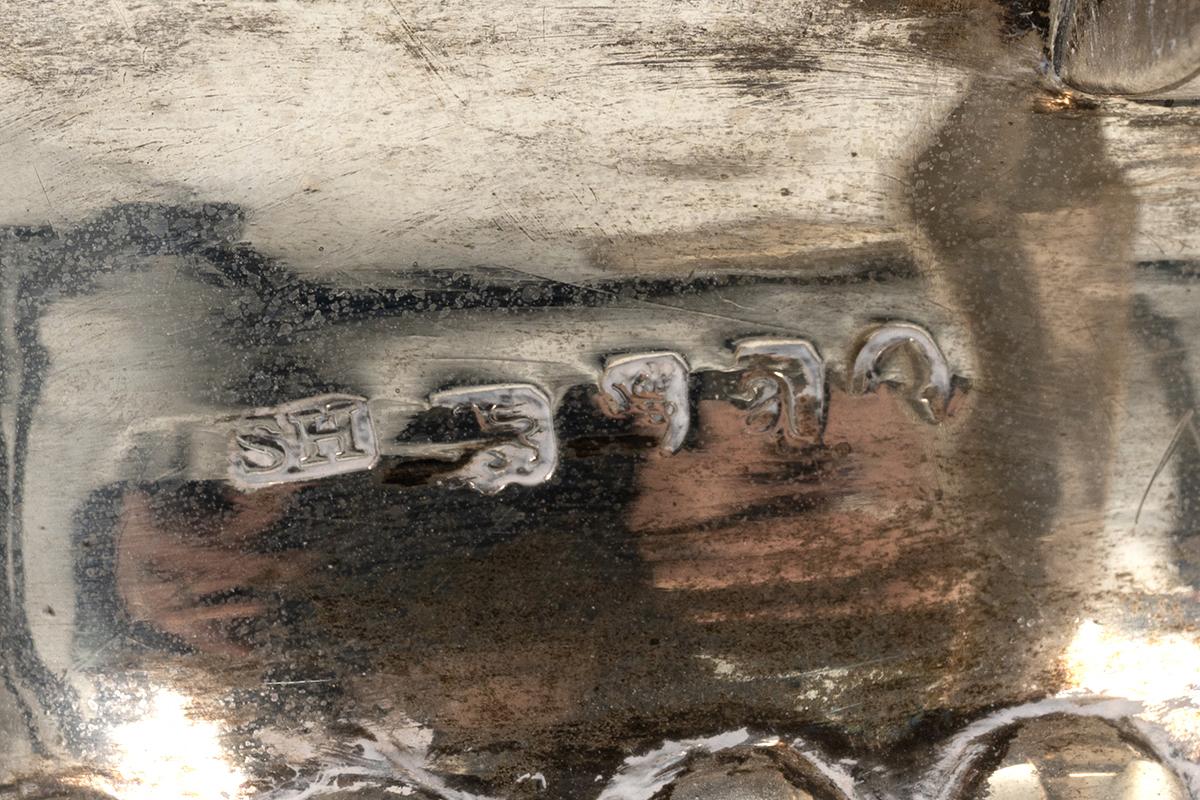
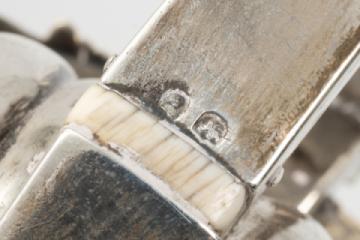
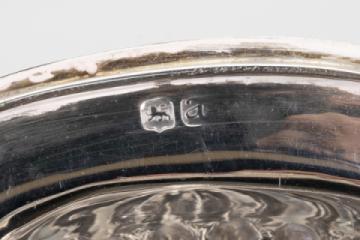
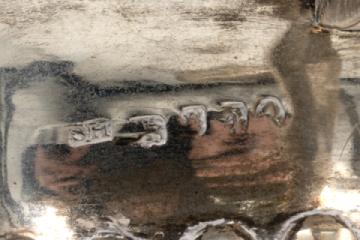
A three piece silver tea service, to include a squat tea pot of rectangular form on four ball supports with fluted decoration to lower body, acanthus scroll shell decorations surrounding the hinged lid, with oval ribbed finial, the curved handle with two ivory insulators and sweeping spout, accompanied by a lidded milk jug of similar form with fine gilt interior, along with a similar sugar bowl with two curved handles, complete with an associated pair of tongs. Hallmarked London 1810 maker Solomon Hougham. Tallest example H16cm x W29cm, gross weight 1335 grams.
Introduction
Lot 604 of our April 2026 Jewellery, Silver, Watches & Coins auction is a charming silver tea set. This three-piece service set includes a teapot, milk jug, sugar bowl, and an accompanying pair of tongs. The significant hammer price of £1,700 may come as a surprise to some, but this lot highlights the resilience of silver tea sets in terms of auction value.
This is because, while tea sets are now scarcely used for their intended purpose, demand for them is high thanks to robust, rising silver prices. Here, we will offer a market overview of silver tea sets, indicating why they may be worth more at auction than many believe.
Next, upon closer inspection of the tea set, a notable feature is found in the handles. Here we find insulators (which prevent heat transfer to the handle) made of ivory. Selling items containing ivory, as many know, can be daunting. And so we will also explain the law around the sale of ivory, demonstrating how a trusted auction house can help to demystify the process for those seeking to sell ivory-inclusive items.
What Are Silver Tea Sets Worth?
There are two broad factors that help determine a silver tea set's auction estimate: its intrinsic value and its value as a collectable antique.
Silver Content: The Pleasingly High Baseline
Every silver tea set will have an intrinsic value as defined by the current price of silver on the global market. This means that, as silver is a precious metal and sought-after commodity, a silver tea service has a certain value based solely on its composition.
This does not just apply to tea sets: silver spoons, rings, boxes, and cufflinks are all joined in having a baseline value on the silver investment market. However, it is important to note that this is not a guarantee of what a buyer will pay, but rather a reflection of the item's worth in silver at a particular moment.
Silver tea sets, due to their large size and multi-item nature, often contain a substantial amount of silver, which makes them of particular interest to large-scale buyers. For example, the silver tea set we sold weighed 1,335 grams - which goes some way to explain its impressive hammer price.
Many online sites offer an instant, live snapshot of silver price (as well as other metals like gold), allowing you to calculate the intrinsic value of your silver items simply and easily.
Antique Importance and Collectable Premium
The above is not to say that every silver tea service is tied solely to its metal value. Exceptional examples - such as rare sets from prestigious makers in top condition - may command an antique premium, fetching hammer prices that eclipse the metal's intrinsic value.
Either way, we often have silver tea services in our auctions, with estimates ranging from hundreds of Pounds to more than £1,500! This to say that even humble silver tea service items may be worth more than you think.
Silver Tea Set: Valuation Factors
When examining a silver tea service for consignment, we will look at a number of factors, including:
Maker's Mark and Hallmarks: The maker's mark identifies the silversmith who produced the tea service. For example, a 'PS' maker's mark indicates the service is the work of Paul Storr - a maker of exquisite pieces which often perform brilliantly at auction. The silver content of the tea service can also be indicated by a hallmark; for example, '.925' indicates that the set is sterling silver with a purity of 92.5%, helping to reveal its intrinsic value.
Set Components: Serious collectors can favour 'complete' tea sets, meaning matching items such as milk jugs, spoons, teapots, and sugar bowls are all gathered together. This can increase the premium and, at the very least, raise the silver value of precious-metal examples (more items mean more silver!).
Provenance: This is always a consideration when assessing value. With a compelling history of ownership and story - and, of course, solid documentation - even a standard silver tea service can attract above-average levels of buyer interest.
In addition to the above, the presence of semi-precious stones, detailed engraving, and other attractive materials can enhance the value of your silver tea service. Lastly, some contain ivory. And when ivory is involved, there are important considerations and practices to follow when selling. Let's continue by discussing the law around selling ivory-inclusive tea sets in greater detail.
Can You Sell Tea Sets With Ivory?
The sale of ivory-inclusive tea sets at auction is permitted, provided the sale falls within strict guidelines and is legally registered with the government as exempt from the ban. Let's go into more detail on the law regarding the sale of items made with ivory in the UK, as well as how an auction house can help.
The Ivory Act Of 2018
Put simply, the Ivory Act 2018 introduced a near-total ban on the trade of elephant ivory in the UK. More recently, to make the intended conservation more holistic, the ban extended to ivory derived from hippos, narwals, killer whales, and sperm whales.
However, the Ivory Act framework includes several exemptions. Depending on the nature of your item, it must meet one or more of these defined exemptions - and be registered - for the sale to be legal.
Legal Exemptions To Selling Ivory
There are two main forms of exemption outlined in the legislation. The first group are the ‘standard’ exemptions, which are as follows:
The 'De Minimis' Rule
This is the guideline under which we see the majority of exempt ivory items fall. Two key factors need to be met for items to meet the criteria. First, they must be made before 3 March 1947. Next, the ivory content must make up less than 10% of the item's composition. Our team will carefully inspect your item to accurately date it and perform a volume assessment to define the ratio of ivory to other materials. Important to note: the ivory must be integral to the item(s), meaning it cannot be removed without difficulty or fundamentally altering the piece's function.
Musical Instruments
For musical instruments, the exemption is expanded to include items made before 1975 and containing less than 20% ivory by volume. Our inspection process is the same: carefully examining the item's age and overall ivory content.
Portrait Miniatures
Portrait Miniatures must be made before 1918 and also have a surface area no greater than 320 square centimetres.
---
If we determine that your ivory item falls under one of the above standard exemptions, we will submit a formal application for registration to the relevant government agency. However, there is another exemption which demands a different pathway to sale. For items made before 1918 which have 'outstandingly high artistic, cultural or historic value’, an exemption certificate is required.
Lastly, the government offers an ivory eligibility checker, a useful resource for those already knowledgeable about their ivory item.
Next, let's cover the registration process for standard items and the Exemption Certificate application in greater detail.
Standard Exemption: Registration
If our analysis finds that your ivory-inclusive piece falls under a standard exemption, the next step is to formally register the item with the government. The specific government body which deals with both registration and Exemption Certificates is the Animal and Plant Health Agency (APHA), part of the Department for Environment, Food and Rural Affairs (DEFRA). The APHA ivory application portal is available online.
Registering an ivory item for trading requires an application that is detailed, credible, and evidence-based. Our team will present their initial analysis to APHA, and our in-house photographer can include images that clearly show the extent of ivory content and the integrity of the ivory in the item. With your permission, we can seek registration for your ivory item on your behalf.
Successful applications result in a 'unique submission reference number', which we will duly attach to all marketing material, listings, and catalogue entries regarding your item.
What About Sets Of Ivory Items?
There is clear guidance on registering sets of items for standard exemption, which directly relates to tea services. It is natural to assume that the individual items in a tea service, each with an integral ivory insulator in the handle, will each need a separate registration.
However, APHA permits sets to be registered as one item, provided that:
1. Each item in the set was produced at the same time, sharing the same history
2. They are naturally intended to be used together (such as a tea service)
For sets which meet the criteria, only one registration fee is required. This is often the case with ivory tea services sold at auction.
Non-aligned groups of items (between 3 and 20) can also be registered at a reduced fee, provided they go to one buyer and each item falls under the same standard exemption category.
Obtaining An Exemption Certificate
Meanwhile, for pre-1918 items, which fall under the Outstanding Cultural Value umbrella, an Exemption Certificate is required. The increased fee of £250 covers APHA's enhanced review and an assessment by an independent expert. This process can take longer than the standard registration, but we will guide you through it nonetheless. Due to their inherent rarity and cultural value, lots with an Exemption Certificate naturally attract significant buyer interest.
Auction Houses And Ivory Compliance
While we hope to have clearly explained the legalities surrounding ivory trading above, it remains vital to adhere closely to the law. Indeed, the illegal sale of ivory, even if it is an accident, can carry heavy penalties.
We can confirm the eligibility category, perform a date and volume assessment, provide professional photographs for the registration process, and ensure that your sale is compliant throughout.
So, if you have a silver tea set (or any other item) that includes ivory, it is strongly recommended that you seek professional guidance before your sale. We will also help by communicating with DEFRA and APHA to ensure your registration goes as smoothly as possible.
Sell Your Ivory Item With Us
The best first step when looking to sell your ivory item is to give us a ring on 01793840777 and explain a little more about your piece. Alternatively, our email is office@rwbauctions.com.