Hospital Sergeant Edward Baker Collection: Medals
Hospital Sergeant Edward Baker Collection: Medals
- 2nd December 2026
- 10:00am
- Lot: 160
- Auction Title: Two Day Sale - Antiques & Interiors | Jewellery, Silver, Watches & Coins
- 800.00 estimate
- Go to auction
Item Description
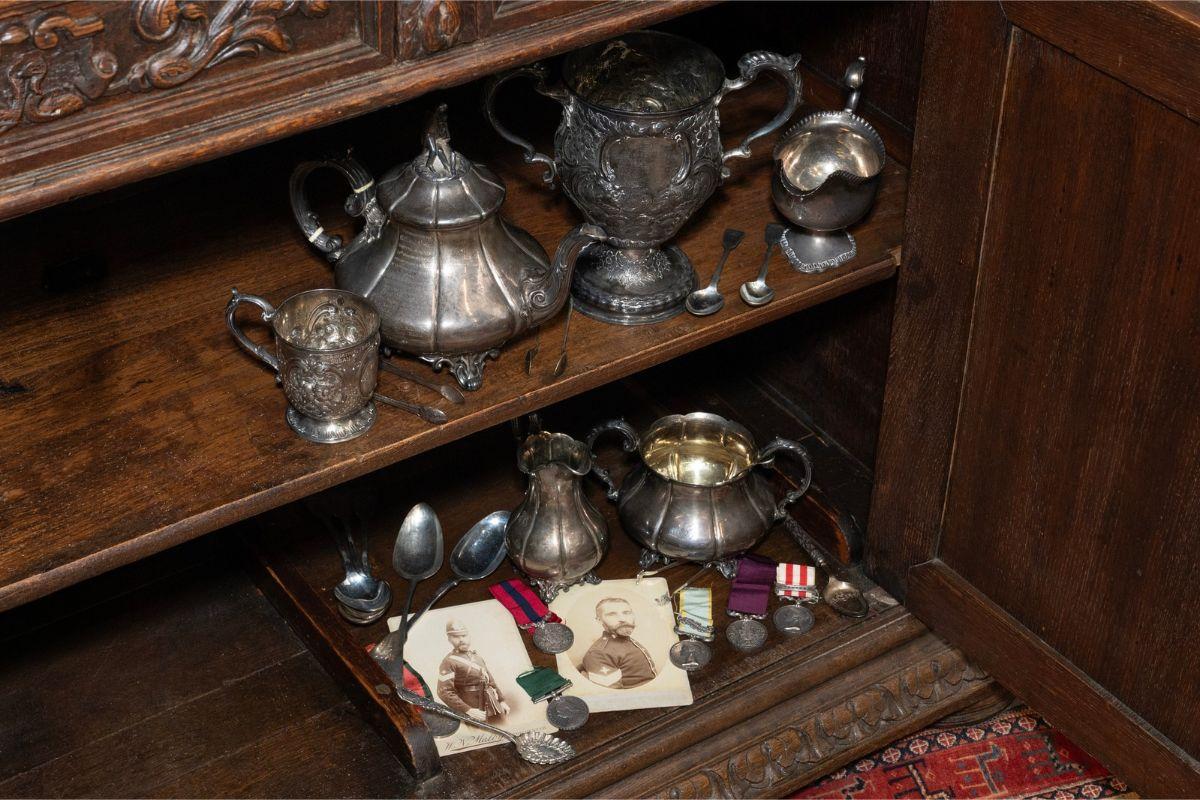
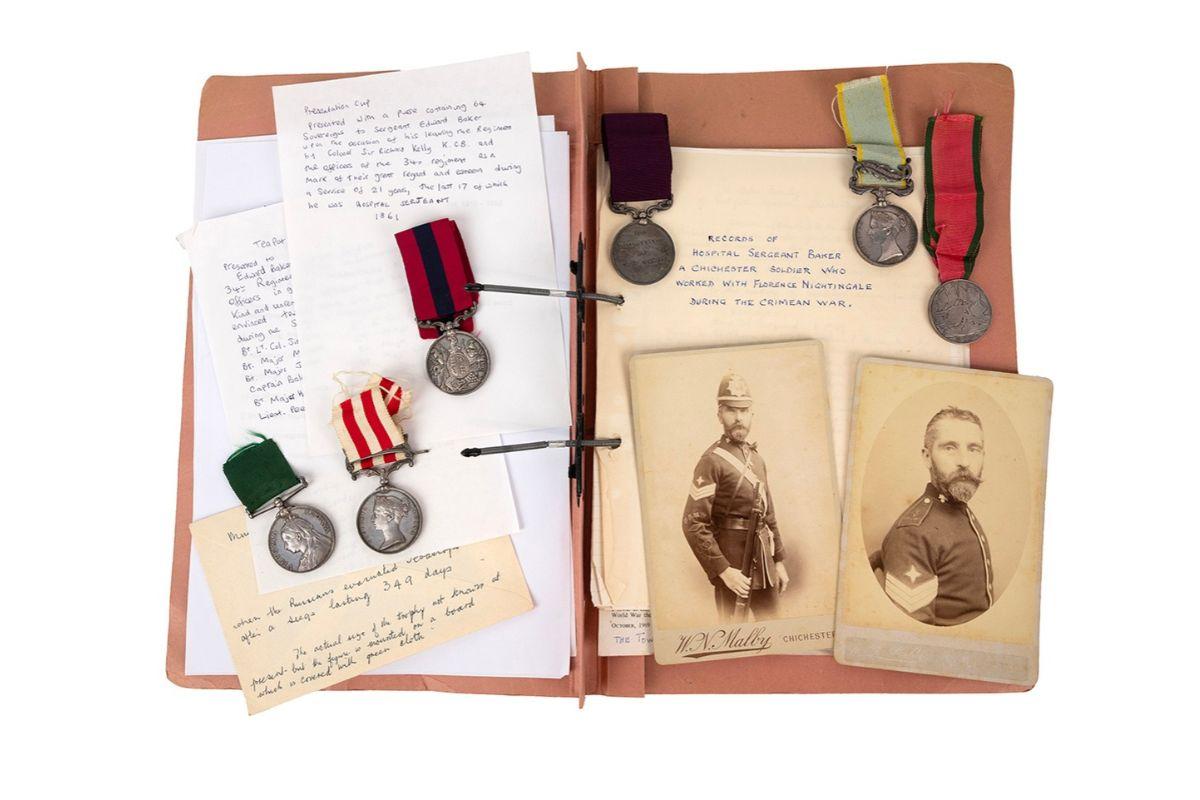
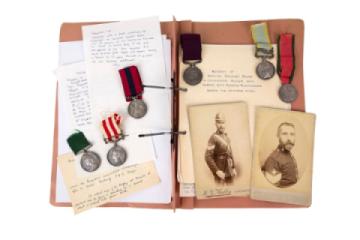
Five medals awarded to 1599 Hospital Sergeant Edward Baker of the 34th Foot, to include Crimea 1851 with Sebastopol clasp, Turkish Crimea Medal (not engraved), Indian Mutiny 1857-1858 with Lucknow clasp, Distinguished Conduct Medal and British Army Long Service and Good Conduct Medal. Together with a Victorian Long Service in the Volunteer Force medal awarded to Sergeant S Baker of the 2nd Volunteer Battalion Royal Sussex Regiment. With associated paperwork and ephemera regarding Sergeant Baker's career, family, life and collection.
Hospital Sergeant Edward Baker Collection
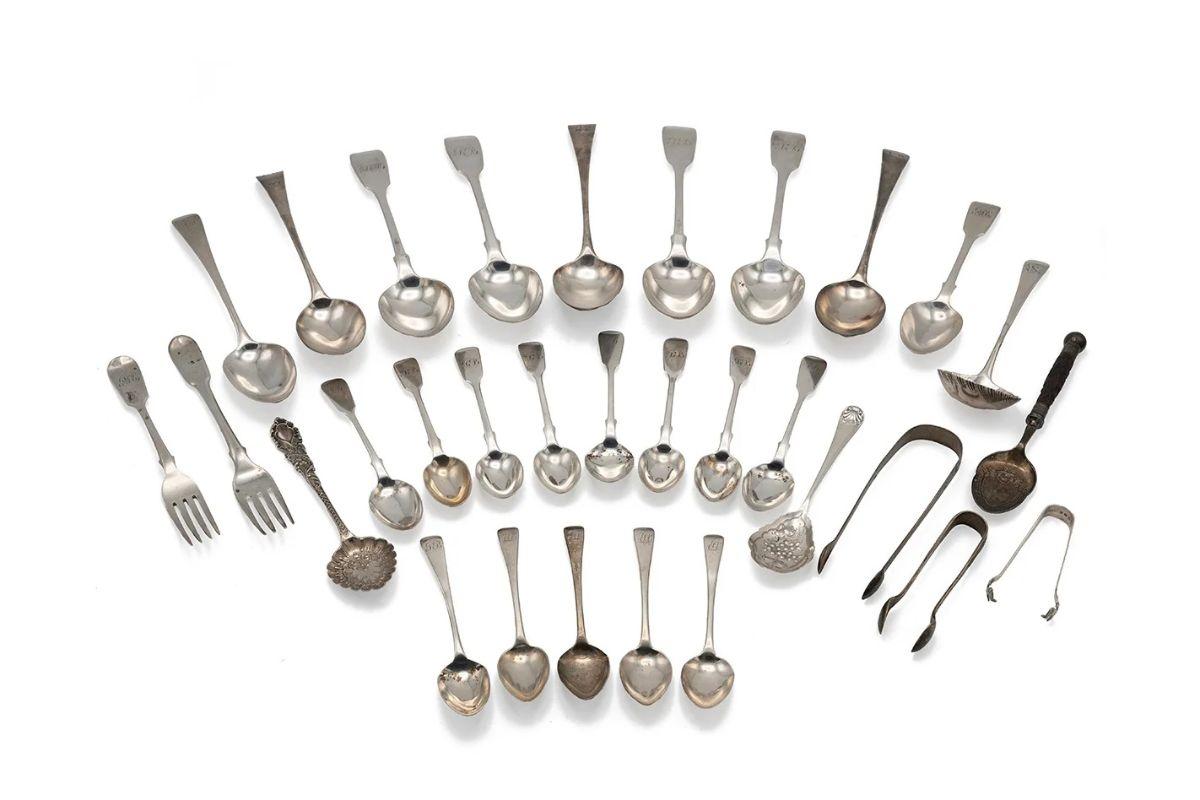
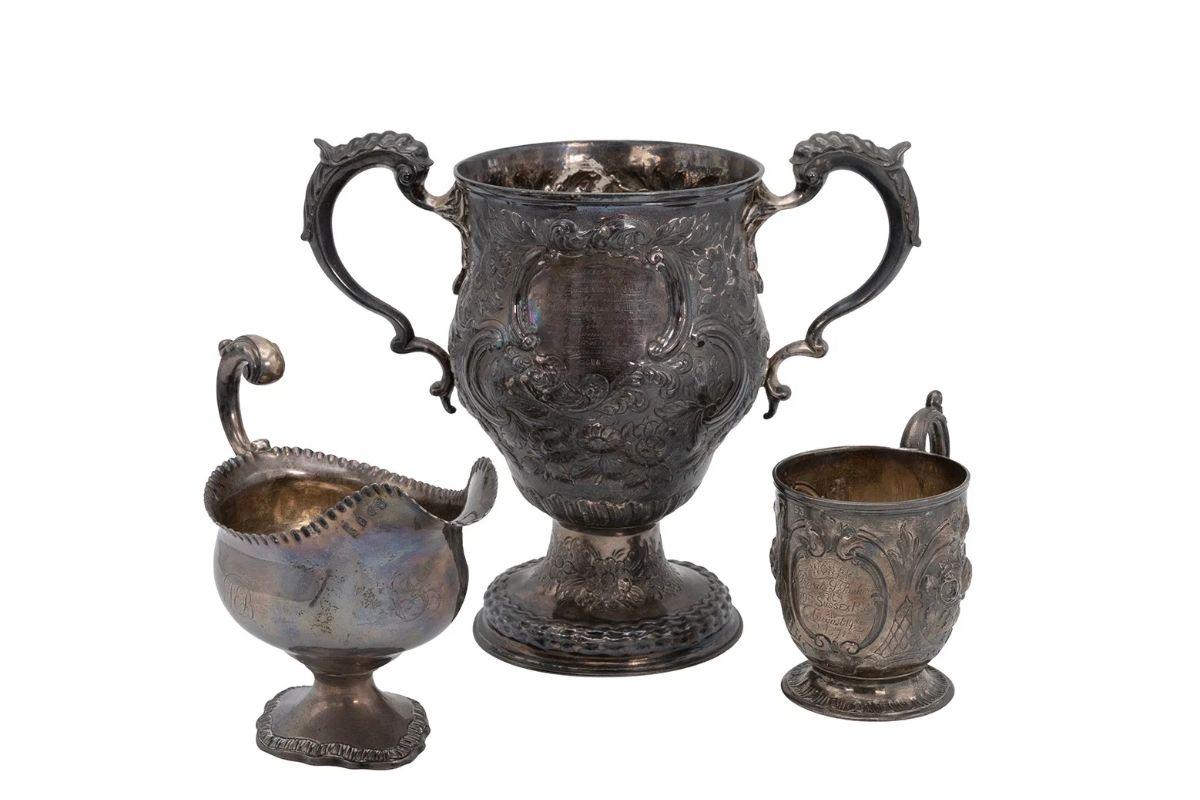
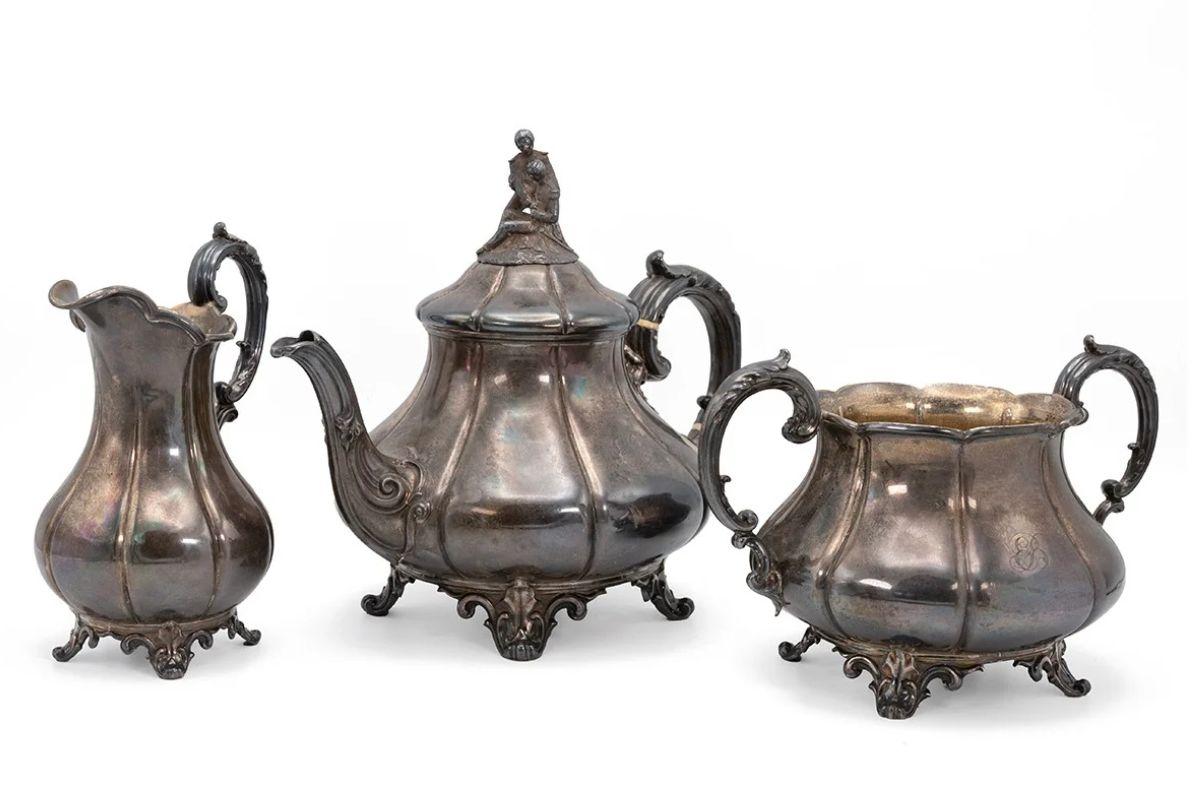
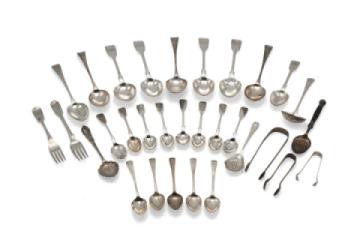
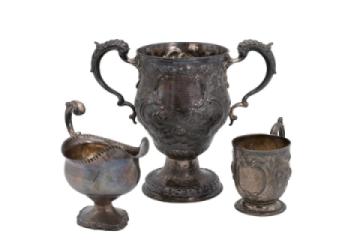
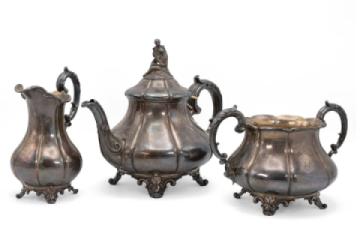
We are thrilled to present a fascinating collection of military medals, presentation silver and personal memorabilia belonging to Hospital Sergeant Edward Baker (1818–1902) of the 34th Regiment of Foot at our upcoming two-day sale on Wednesday 2nd December and Thursday 3rd December. The collection spans four lots and includes five military medals, including the Distinguished Conduct Medal and awards for service in the Crimea and Indian Mutiny, alongside an impressive selection of silver. Highlights include an elaborate 1765 presentation cup, gifted to Baker upon his retirement in 1861 in recognition of his 21 years' service, and a three-piece silver tea service presented by officers he had treated during the Siege of Sebastopol.
Provenance: The collection has been passed down through the family, last held by Sergeant Baker's great-niece.
Hospital Sergeant Edward Baker (1818-1902) 34th Regiment of Foot
Born in Chatham in 1818, Edward Baker later enlisted there in the Border Regiment (34th Foot) in 1840 and served for nearly 22 years, 17 of which as Hospital Sergeant. He saw much service abroad, most notably he worked with Florence Nightingale in the Crimean War, and during this period, she presented him with one of her trademark lamps (S. Clarke’s Patent Fusee Candle Lamp).
He was present at the Assault on the Redan and the Siege of Sebastopol. An account by Baker recalls how after the fall of Sebastopol, he obtained and brought back a brass Russian Imperial Eagle, salvaged from the ruins of the Sebastopol Theatre as a trophy and gifted it to the regiment. The story of how the eagle was obtained has been debated but a 1902 letter written by Sergeant Baker himself, claims to have personally acquired it and brought it home, a copy of which is contained in this lot. The eagle is now housed in the Cumbria’s Museum of Military Life at Carlisle Castle.
He also saw active service in India during the Mutiny and the relief of Lucknow and was assistant apothecary to the Steward of the Indian Establishment in Bengal.
He left the army in 1861 and settled in Chichester where he opened a chemist shop. He died in 1902 and was buried in Chichester Cemetery.