Lewis Carroll, 'Through the Looking Glass and What Alice Found There', 1872
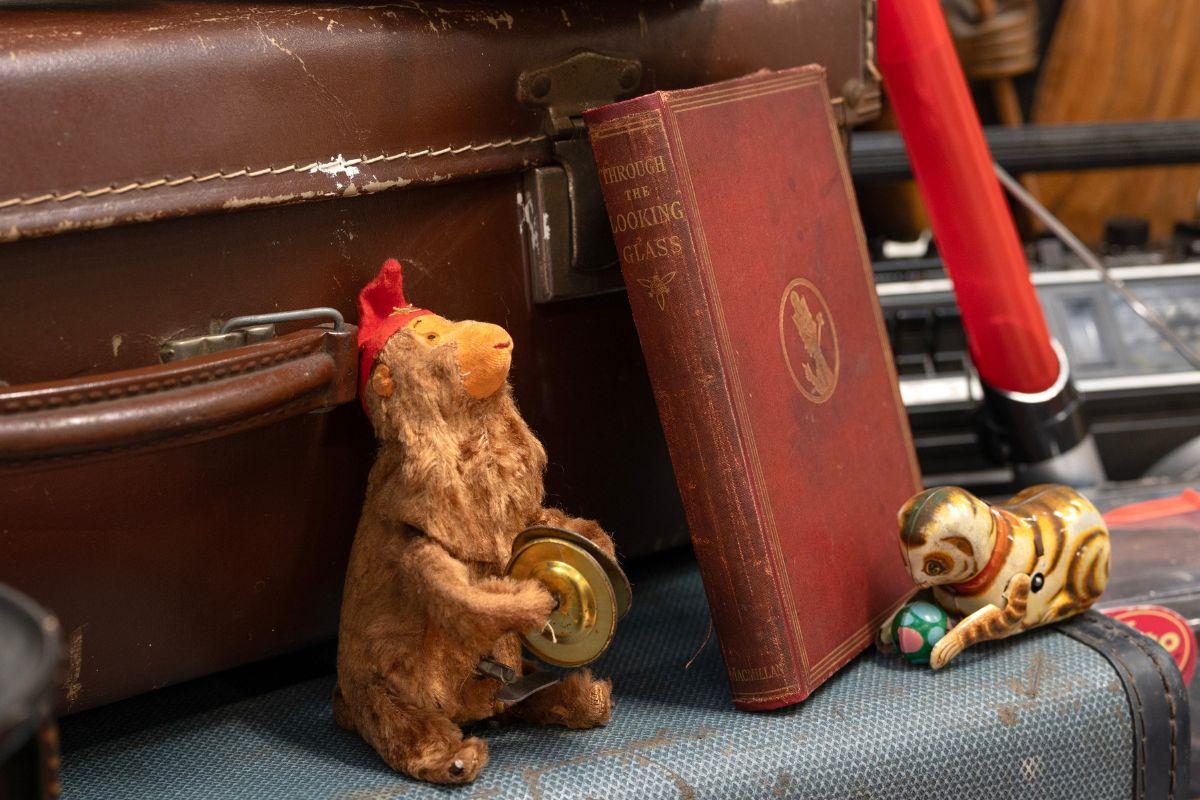
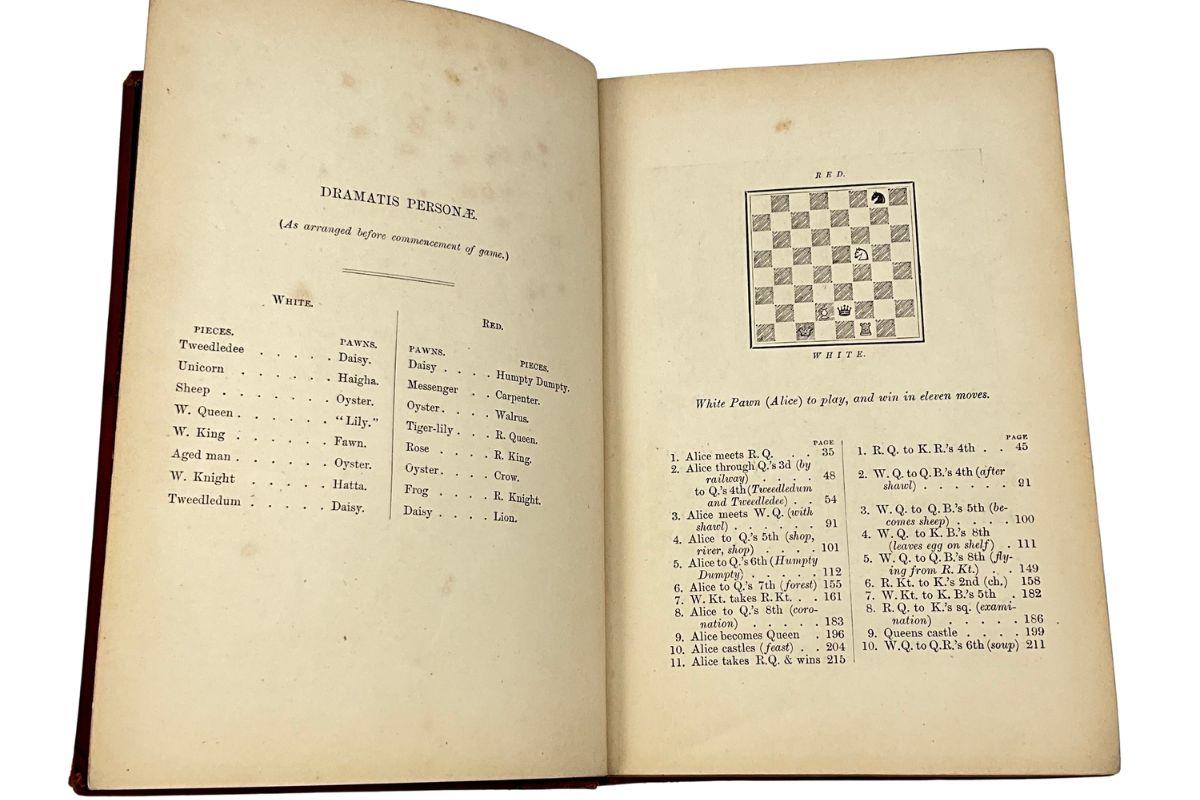
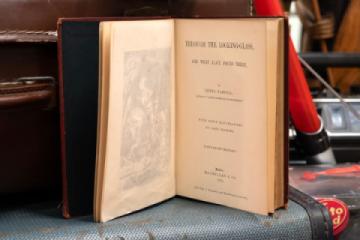
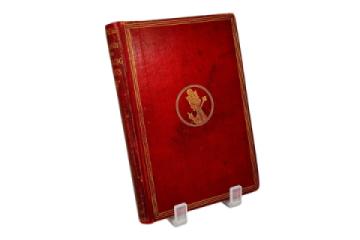
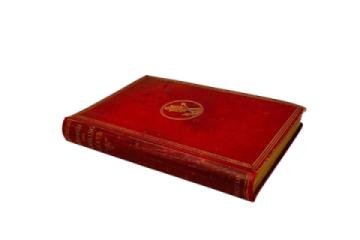
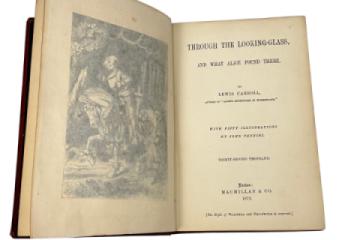
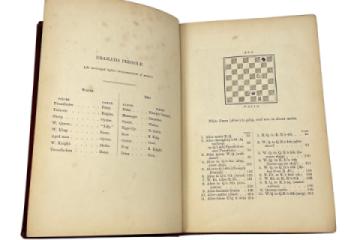
Lewis Carroll, 'Through the Looking Glass and What Alice Found There', 1872
- Sale Date: 28th January 2026
- Estimated Price: 200.00
- Gavel Price: £200.00
Item Description
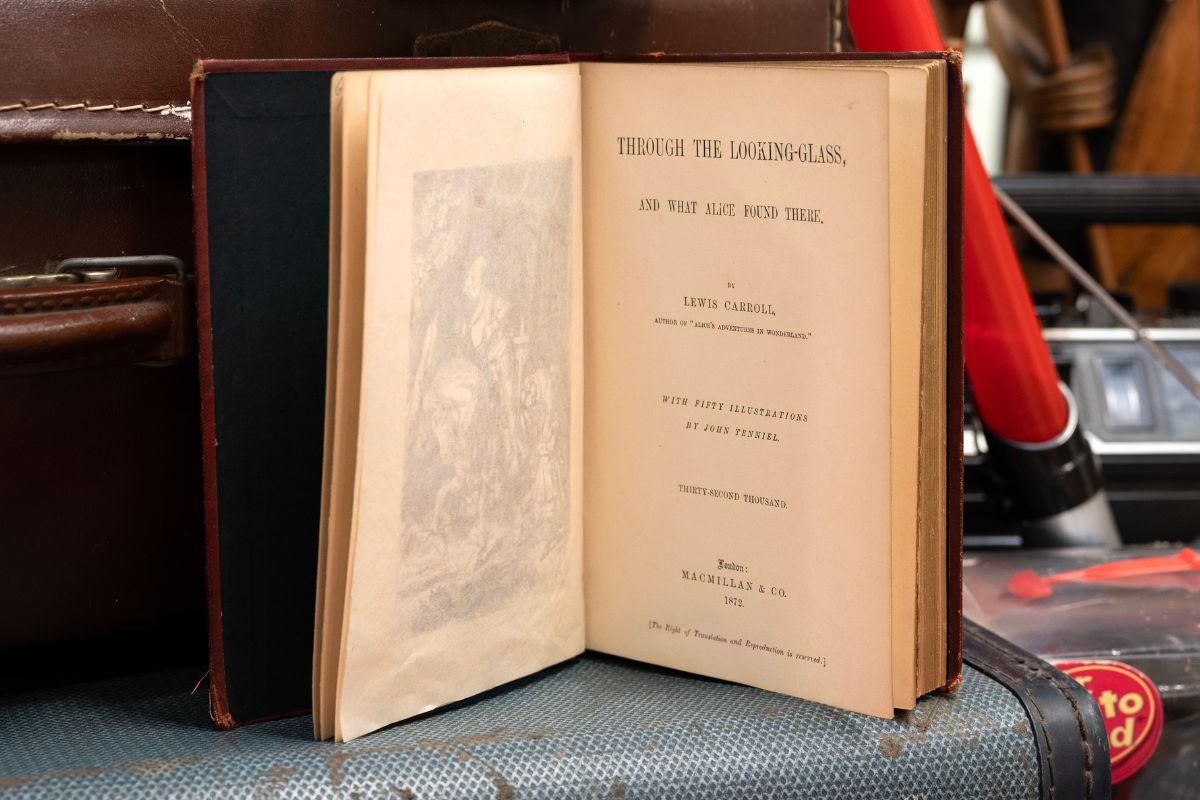
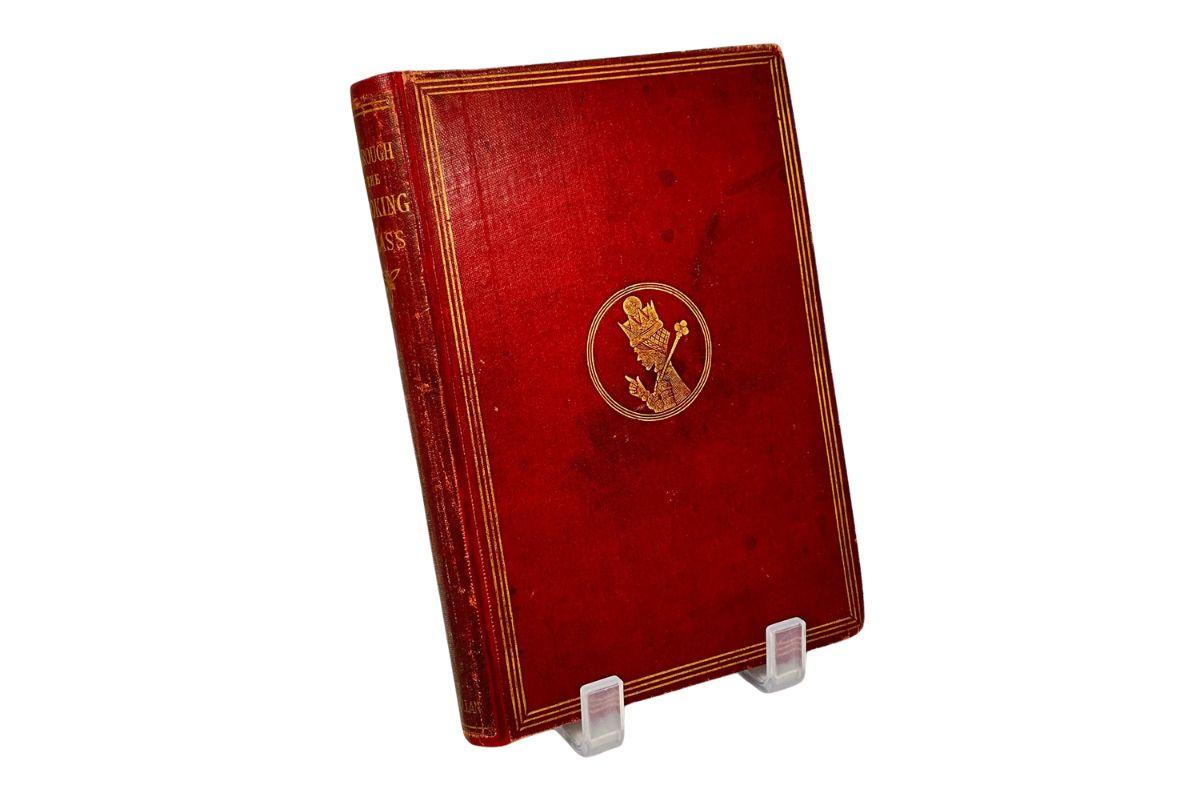
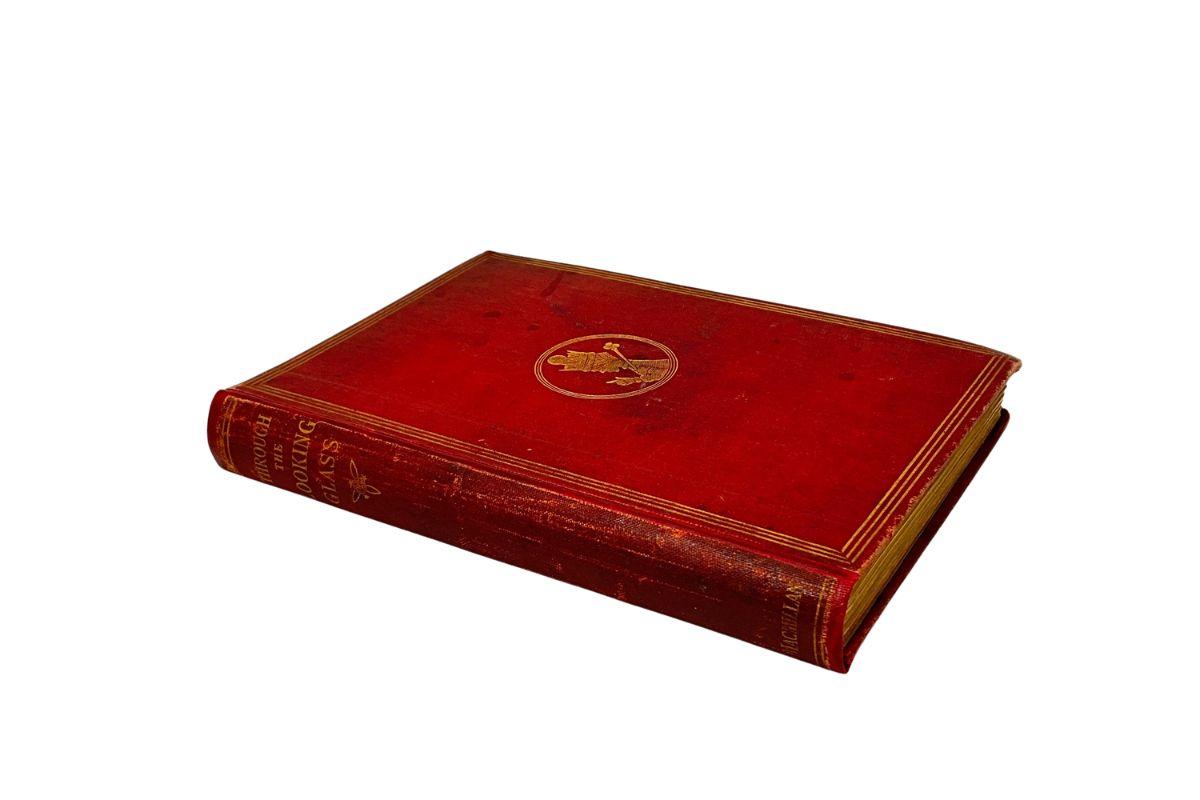
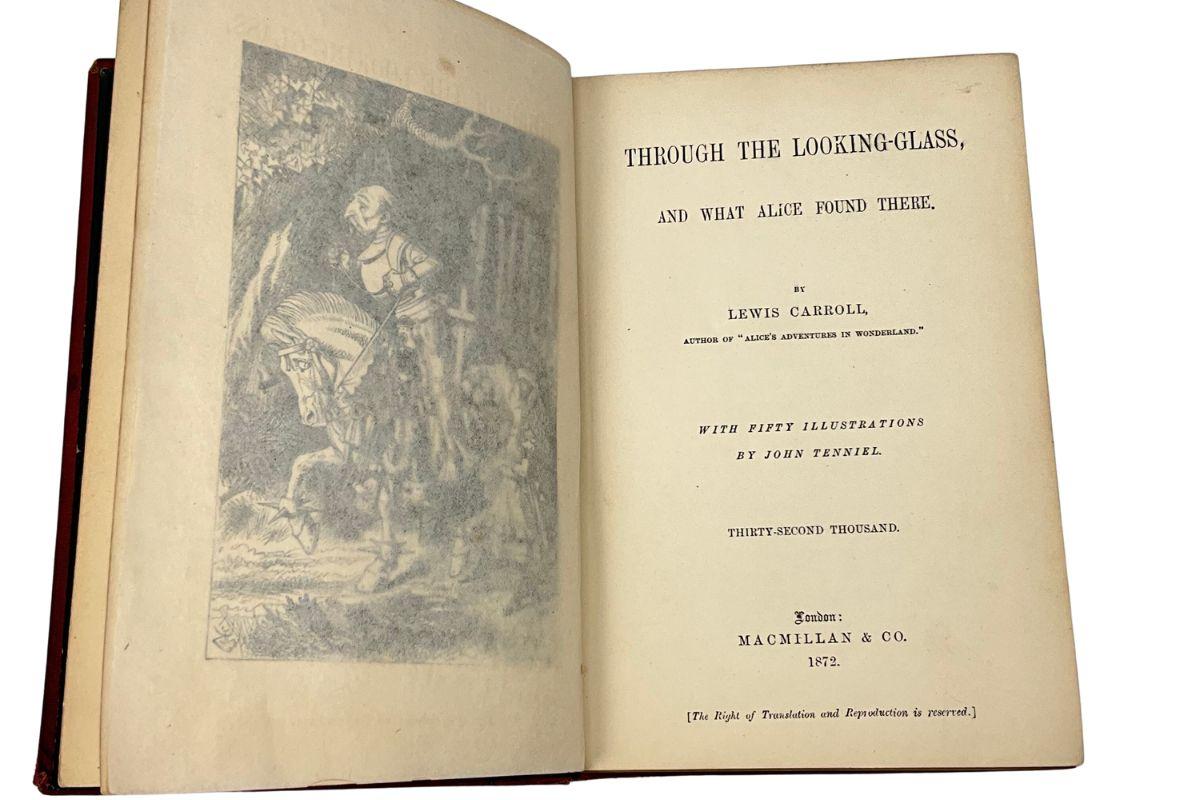
Lewis Carroll (Charles Lutwidge Dodgson), 'Through the Looking Glass and What Alice Found There', Thirty-Second Thousand, published by Macmillan & Co, 1872, in original cloth bindings.
A highly collectable copy of the well-known follow-up to 'Alice's Adventures in Wonderland', 'Through the Looking Glass and What Alice Found There', is to go on sale at RWB Auctions on the 28th January. The original story was published in 1871, and due to its popularity, there were many more subsequent print runs. This copy dates to 1872 and is in its original red cloth binding, with gilt-edged pages. It also features the fifty original illustrations by John Tenniel, making this a real collector's piece.
Who Was Lewis Carroll?
Lewis Carroll was the pen name of Charles Lutwidge Dodgson (1832–1898), an English writer, poet, mathematician, and photographer. He's best known as the author of 'Alice's Adventures in Wonderland' (1865) and 'Through the Looking-Glass' (1871).
He was born in Daresbury, Cheshire, into a large clerical family. As a child, he was intelligent and imaginative but also shy and suffered from a stammer, which shaped his reserved personality. He studied mathematics at Oxford University, excelling academically, and spent most of his adult life as a mathematics lecturer at Christ Church College, Oxford.
Carroll wrote poetry, essays, and logic puzzles, but his lasting fame came from the Alice books. Alice’s Adventures in Wonderland (1865) grew out of a story he invented for the young daughters of a colleague, especially Alice Liddell. Its sequel, Through the Looking-Glass (1871), continued his playful exploration of language, logic, and absurdity.
Despite his literary success, Carroll never embraced public fame and published under a pen name to separate his writing from his academic career. He also practised photography, a popular art form of the time. He died in 1898 in Guildford, England.
Today, he is remembered for transforming children's literature and influencing modern fantasy, humour, and wordplay.
How Do I Know If My Antique Book Is Worth Anything?
When looking to buy or sell antique books, age matters, but it is only the starting point. A collectable antique book sits at the intersection of rarity, condition, importance, and demand, with a little beauty and history mixed in.
Rarity & Edition: Scarcity drives interest, so if the original print run was small, certain editions were withdrawn, or volumes simply didn't survive in large quantities, they are far more desirable. Collectors prize first editions, especially first printings, because they're closest to the book's original moment of publication. Later editions can still be valuable, but usually less so.
Condition & Authenticity: One of the most important factors in determining a book's value. Clean pages, original bindings, intact spines, and minimal repairs dramatically increase value. Damage, heavy wear, or missing pages significantly lower it, even if the book is rare. Collectors care deeply that all parts are original: title pages, plates, dust jackets, and bindings. Replacements reduce value.
Historical or Literary Significance & Provenance: Books that changed literature, science, politics, or culture (or were written by important figures) attract lasting demand. Importance often matters more than age. A known ownership history, such as a book owned, annotated, or signed by a notable person, can greatly increase collectability.
Illustrations and Craftsmanship: Original illustrations, fine printing, quality paper, hand-colouring, or beautiful bindings add both artistic and monetary value.
Demand: Even a rare book needs interested buyers. Authors with enduring popularity (like Lewis Carroll, Charles Dickens, or Shakespeare) stay collectable because people still want them.
Why Should You Sell With RWB Auctions?
Parting with a collectable or rare book can be an emotional decision, especially when it carries years of memories or personal history. Here at RWB Auctions, we understand that connection, and we take great care to ensure every book entrusted to us is treated with the respect it deserves. Our specialist auctions place your books into the hands of passionate collectors, giving them a new home where they will be properly cared for and cherished for generations to come. With one of the lowest commission rates in the country at just 10% + VAT, and absolutely no hidden fees, we make the selling process clear, fair, and rewarding. We also offer free, no-obligation valuations every Monday and Tuesday at our High Street offices, so you can explore your options with confidence and peace of mind.