Robert 'Mouseman' Thompson Oak Table
Robert 'Mouseman' Thompson Oak Table
- Sale Date: 4th March 2026
- Estimated Price: 900.00
- Gavel Price: £1,400.00
Item Description
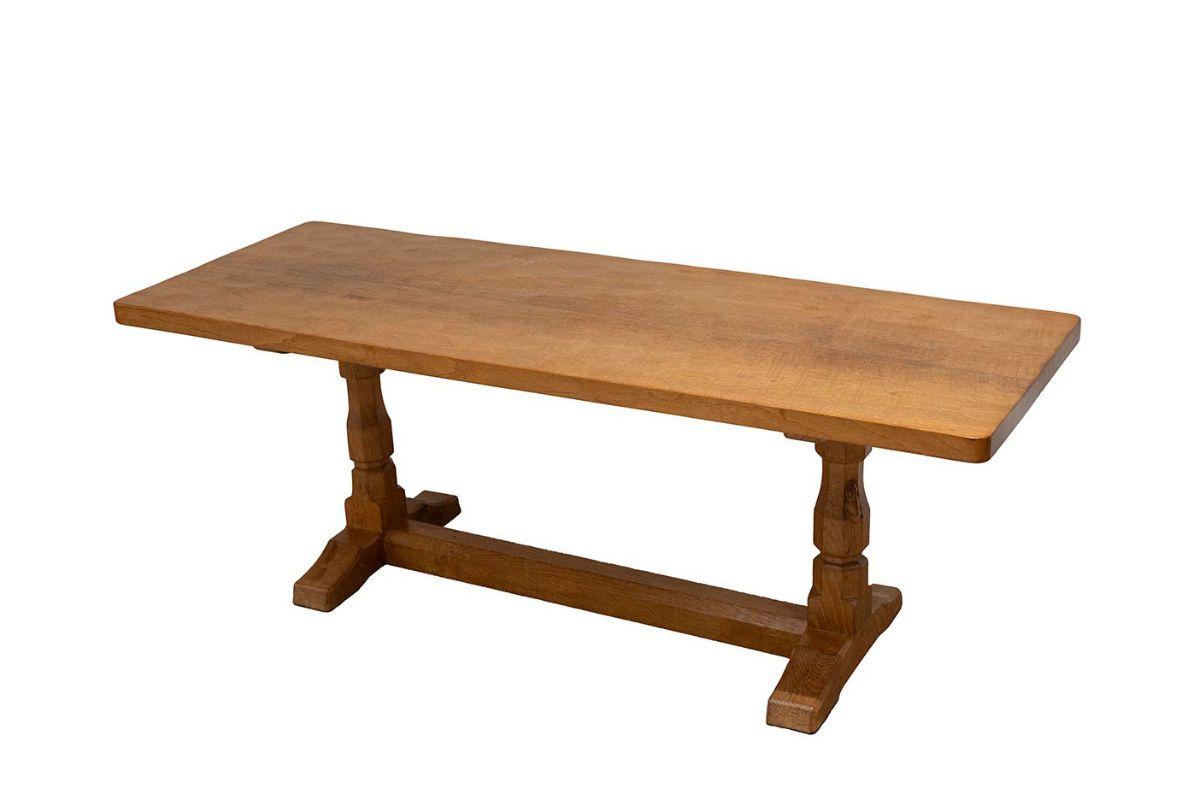
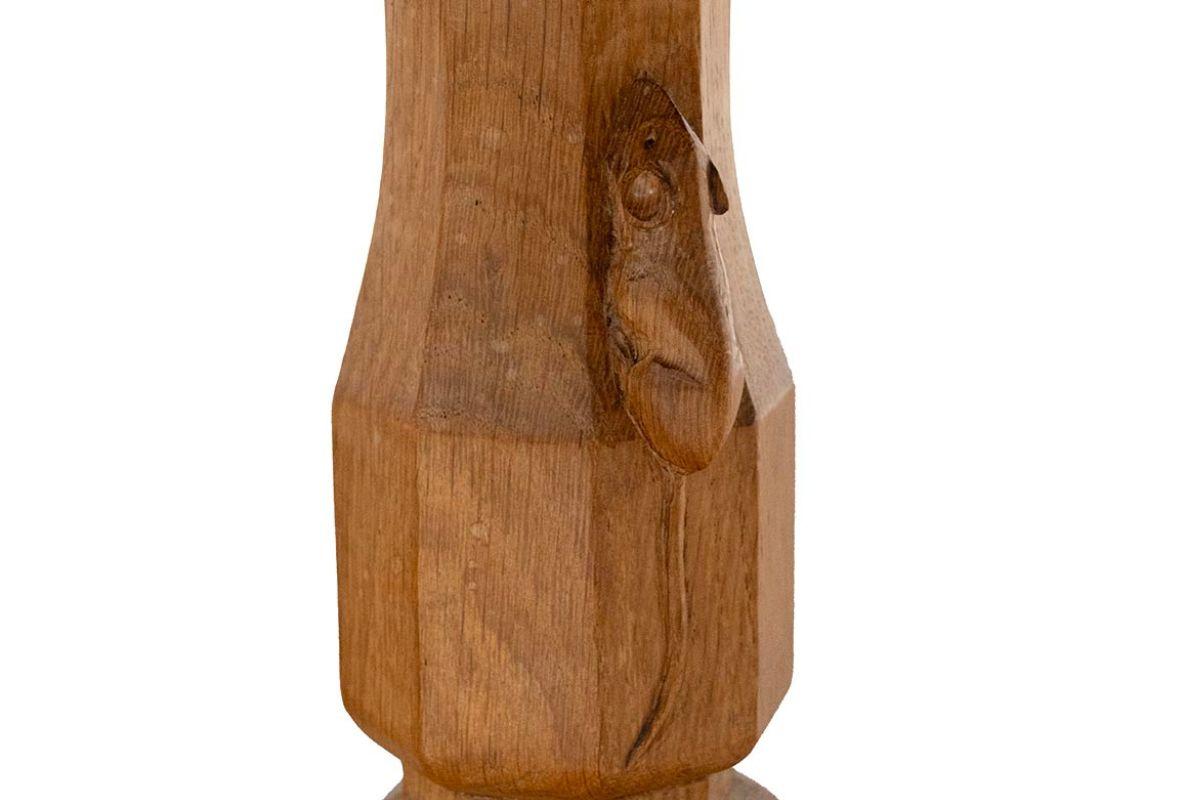
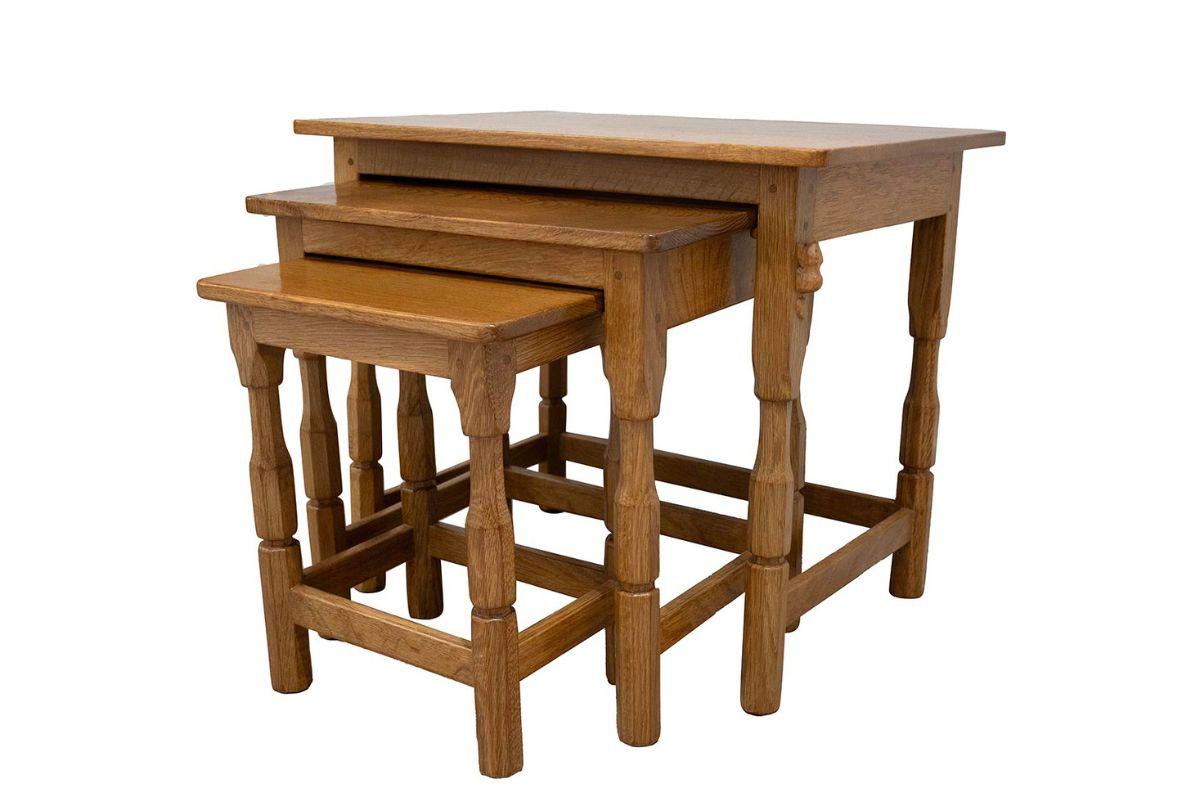
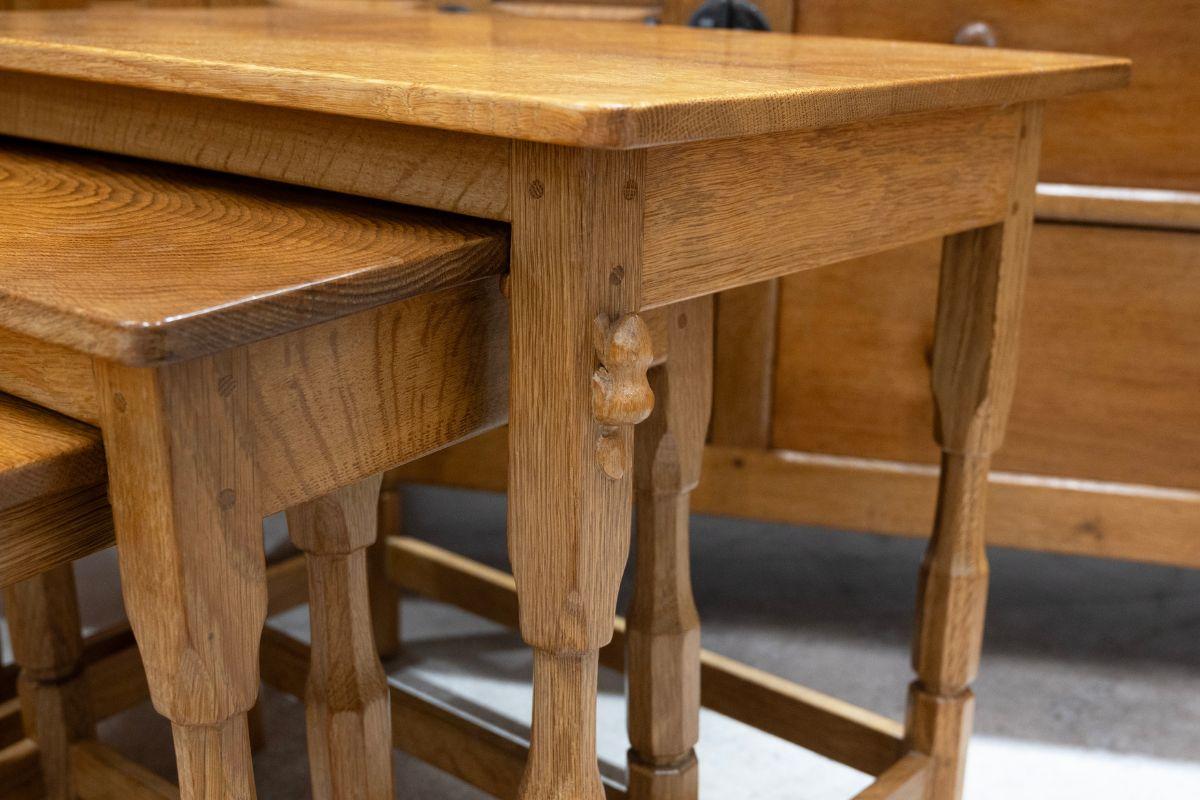
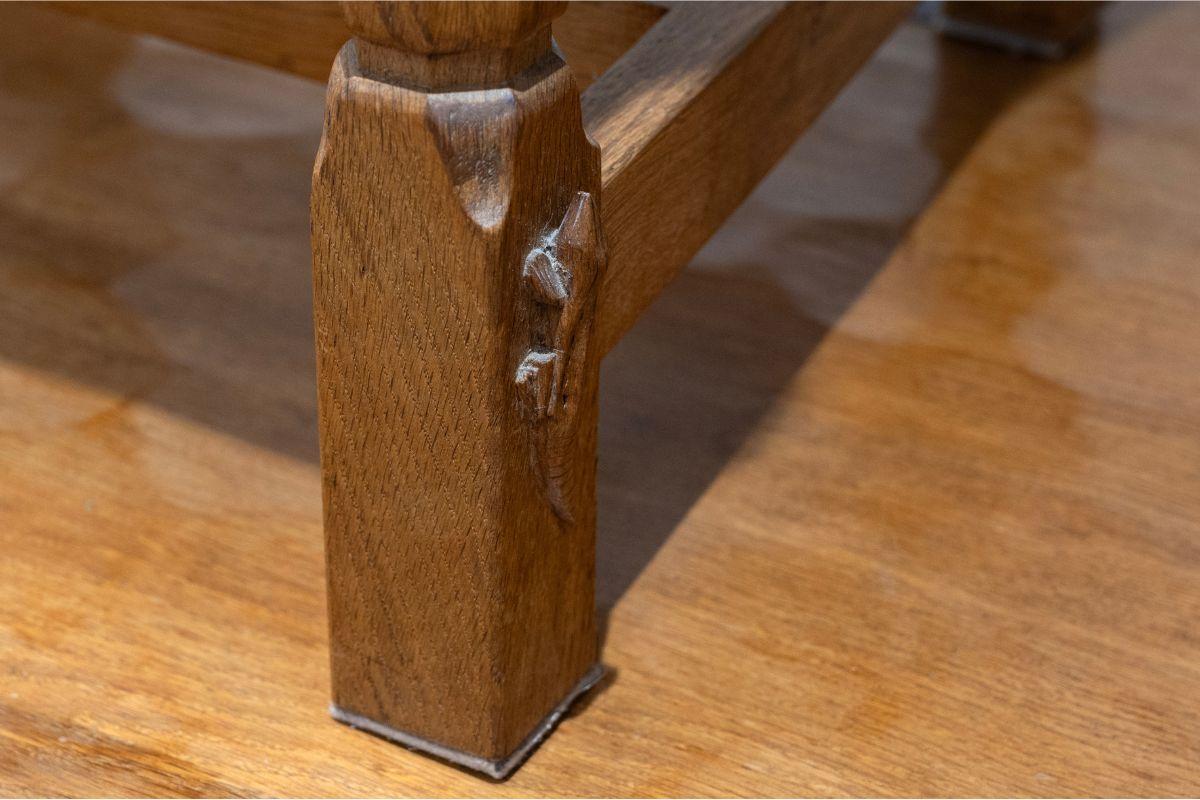
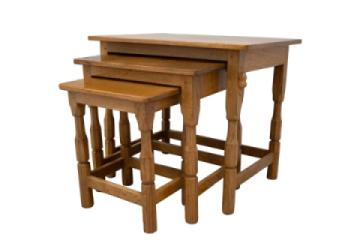
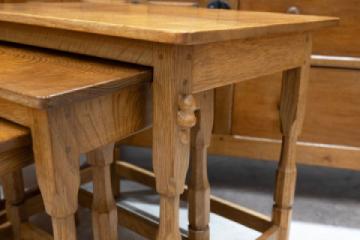
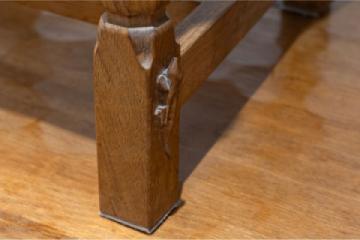
Robert 'Mouseman' Thompson (British, 1876-1955) ('Mouseman' Workshop Established 1919). Arts and Crafts hand-adzed 4' oak refectory coffee table (4 foot). Hand-adzed oak top raised on two carved hexagonal legs; one leg signed with hand-carved mouse trademark to the hexagonal leg. H44cm x W45cm x L120cm.
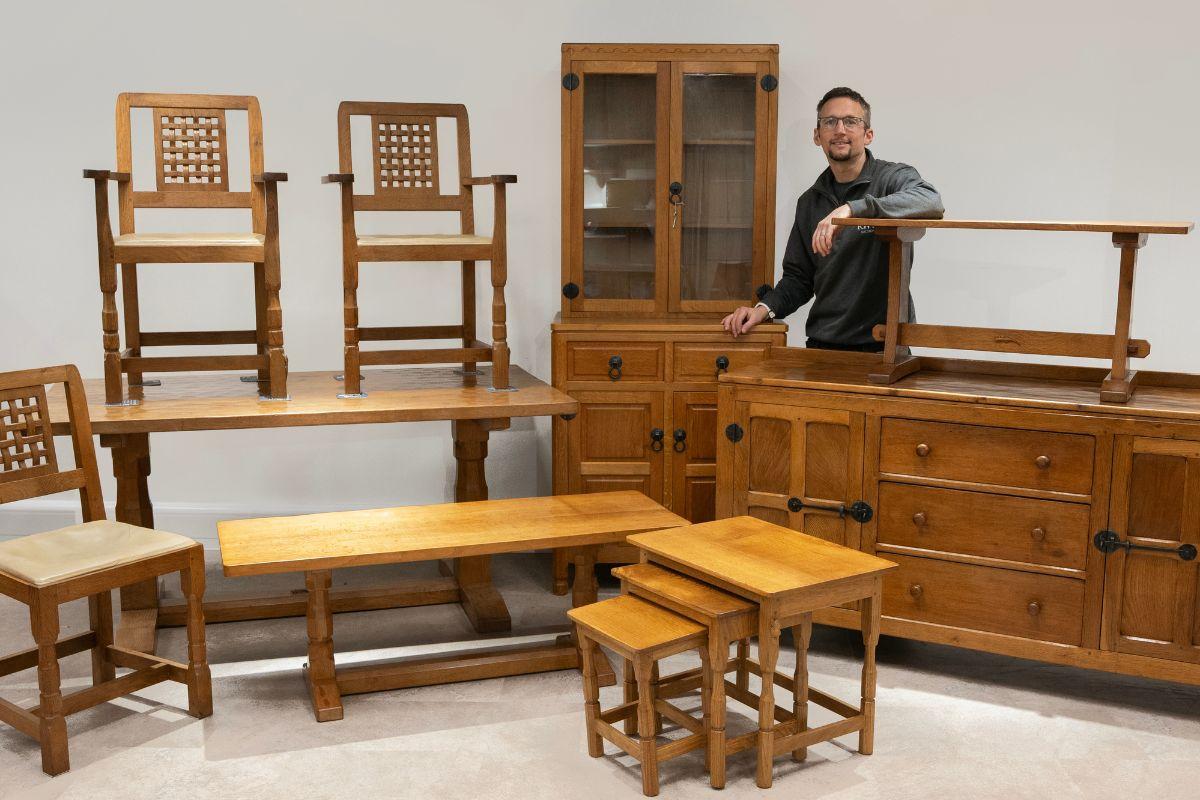
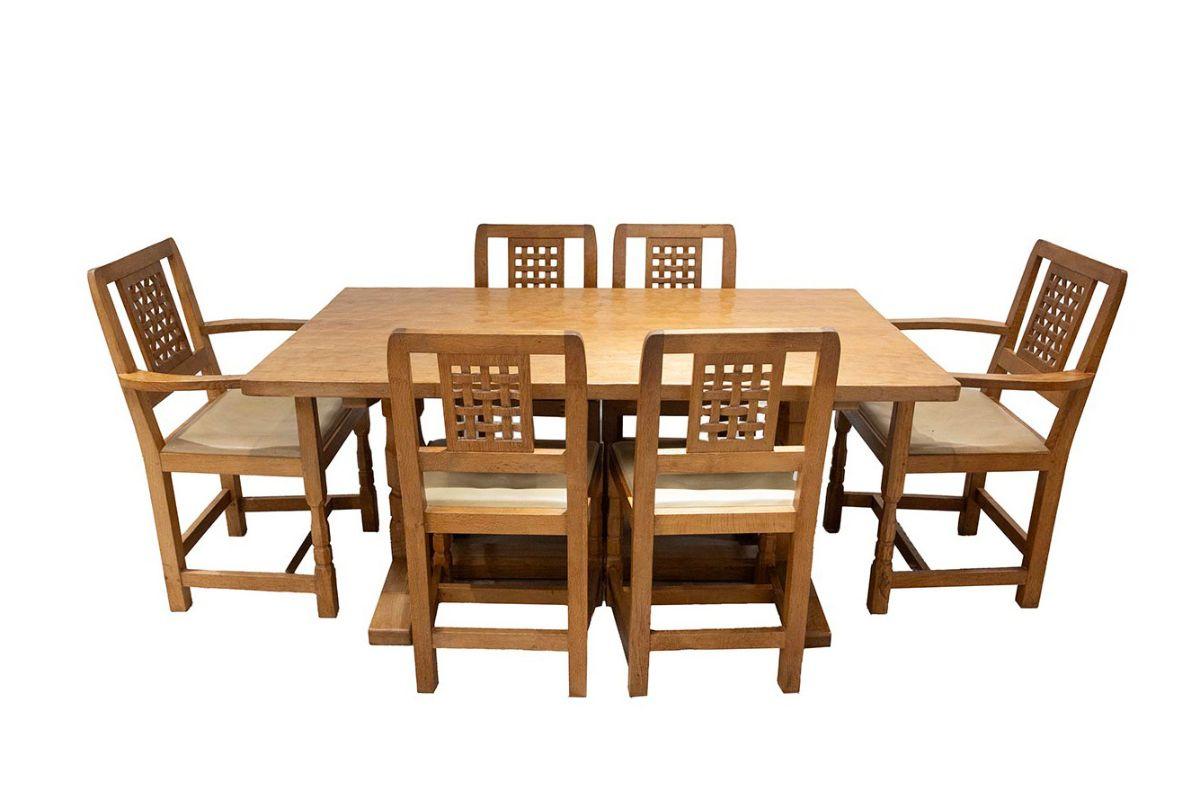
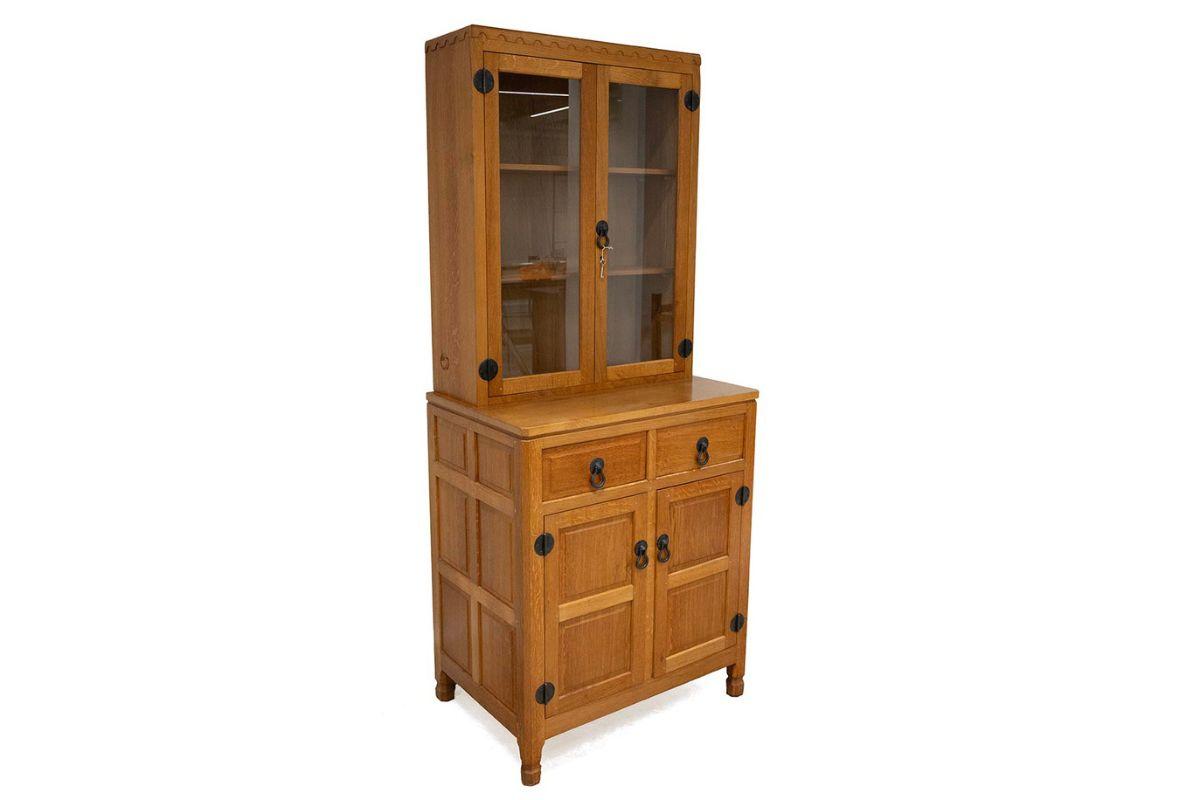
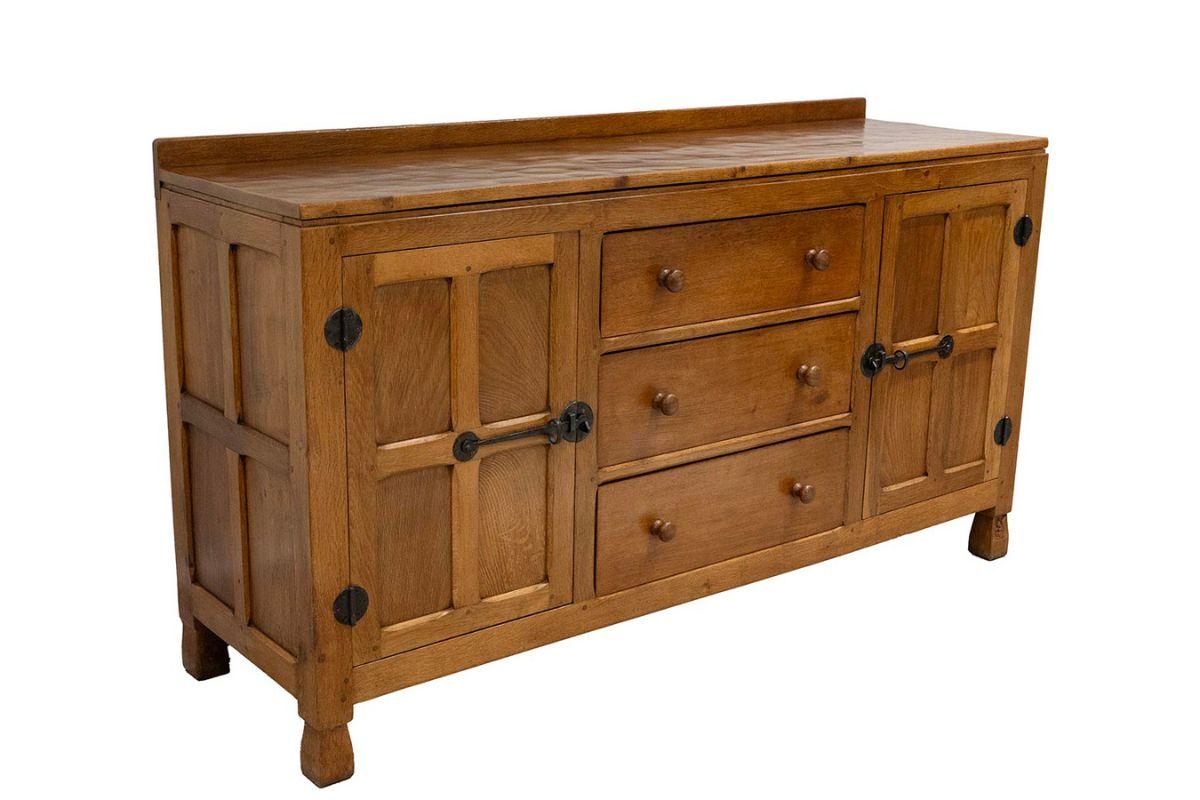
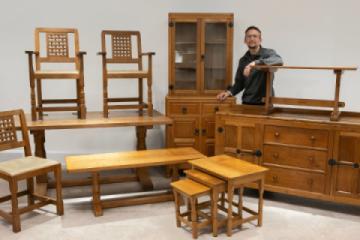
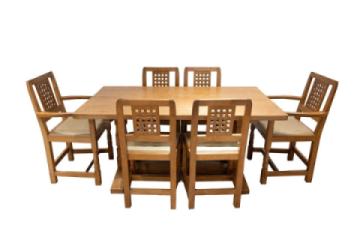
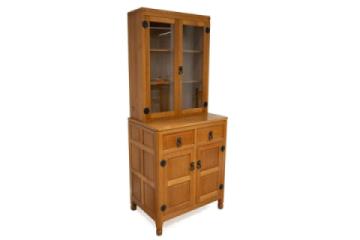
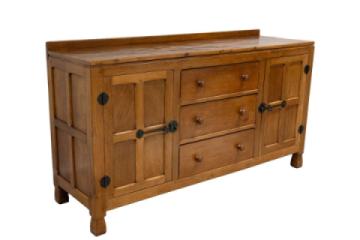
We are thrilled to present a group of highly sought-after, exquisitely handcrafted 'Mouseman' and 'Yorkshire Critters' oak furniture at this month's Antiques & Interiors sale to be offered on Wednesday, 4th March. The oak coffee table featured here bears the mark of Robert 'Mouseman' Thompson, a discrete little mouse carved into one of the table legs, and is the particular standout lot of the collection. The remaining pieces are also of exceptional quality and were made by those inspired by him, known as the 'Yorkshire Critters', so named for the use of their own motifs to sign their work, such as lizards, beavers and squirrels.
Why is Robert Thompson Called 'Mouseman'?
Robert 'Mouseman' Thompson (1876–1955) was a North Yorkshire craftsman known for his solid oak furniture, each piece marked with a small hand-carved mouse.
Certainly, the most defining feature of any of Robert Thompson's creations is, of course, this mouse that he hand-carved discreetly into every piece of furniture he made. In his own words, captured in the Mouseman story: "'The origin of the mouse as my mark was almost in the way of being an accident,' he wrote later. 'I and another carver were carving a huge cornice for a screen, and he happened to say something about being poor as a church mouse. I said, "I'll carve a mouse here," and did so. Then it struck me – what a lovely trademark!'"
How Can You Tell A Genuine Mouseman?
The mouse alone is not proof; the entire piece must feel consistent with the workshop's standards.
There are several factors to consider when determining whether a piece is genuine. The carved mouse, of course, makes Mouseman furniture instantly recognisable, but one needs to look deeper than that. As each mouse is hand-carved, no two are ever the same, making every item unique in its own right and enhancing its authenticity, making it much more likely to be an original. The mouse is always carved in relief into the wood, so a telltale sign of a fake would be if the mouse was stuck on / made from a different piece of wood. The mouse is integrated naturally into the design, often along an edge, leg, or rail, and the carving should be confidently shaped, with clear body, ears, and tail.
Authentic Mouseman furniture is made from solid English oak, with thick, heavy sections, and the surface should show hand-adzed texture (visible faceted tool marks), and any natural ageing and patina, especially when looking at earlier pieces. Another factor to look for when authenticating earlier pieces is whether they feature quarter-sawn oak, a cut that makes the wood more stable and less prone to warping. The build of genuine Mouseman pieces is consistently high quality, and they should be quite weighty. Pay careful attention to the underside and insides; you should see traditional woodworking techniques such as mortise-and-tenon joints, and the drawers, for example, should be lined with oak, not pine. There shouldn't be any low-quality materials, such as chipboard or plywood, used in the piece's construction.
Watch out for light or flimsy examples. Mouseman designs should be simple, sturdy, functional and substantial in weight. The design style one should look for is primarily Medieval and Arts & Crafts inspired, and pieces often feature octagonal legs or stretcher bases.
Finally, provenance can really help to strengthen the authenticity of a Mouseman piece. Should the item come with an original invoice from the Kilburn workshop or have a long family ownership history, these will prove invaluable in confirming that the piece is indeed genuine.
How to Date A Mouseman
Early mice (c. 1910s–1920s) are typically larger, more deeply carved, and slightly rustic in character, often with long, slender tails and prominent ears. Furniture from this period usually features heavy oak and pronounced hand-adze marks. These early pieces are particularly sought after.
Mid-period mice (c. 1930s–1940s) tend to be more refined and consistent in size and shape, reflecting the growth and increasing organisation of the workshop. The carving remains characterful, and this period is often considered the classic Mouseman style.
Late lifetime pieces (c. 1950–1955) generally show smaller, tighter, and more standardised mice as production became more streamlined.
After Thompson's death in 1955, the workshop continued as Robert Thompson's Craftsmen Ltd. Post-1955 mice are usually smaller, more uniform, and less deeply carved, though still well made. While these later pieces remain desirable, furniture made during Thompson's lifetime typically commands higher prices.
Accurate dating should consider not only the mouse but also the depth of adze marks, timber thickness, patina, construction methods, and any documentary evidence.
Who Are The 'Yorkshire Critters'?
The Yorkshire Critters refers to a group of around forty Yorkshire craftsmen working in the same carved-oak tradition as Robert 'Mouseman' Thompson, who emerged from about the 1930s onwards. Many of these makers trained in, or were directly influenced by, the Kilburn workshop before establishing their own independent businesses. While not formally connected to the original Mouseman enterprise, they continued the regional ethos of solid English oak construction, visible hand-adzing and the charming addition of a carved animal or other motif signature.
The furniture is well-made, features many of the traditional woodworking techniques boasted in the Mouseman pieces, and is also made from solid oak. Unlike Mouseman furniture, which always features a mouse, Yorkshire Critters used a variety of animals, commonly squirrels, hedgehogs, otters or foxes, carved into the wood as a signature. The examples on sale this month feature: Lizardman, Beaverman, Dogman, Squirrelman and Knightman.
The result is furniture that shares the robustness, craftsmanship and Arts & Crafts sensibility associated with the Robert Thompson tradition, yet carries its own individual character. For collectors, Yorkshire Critters pieces offer both an accessible entry point into this celebrated North Yorkshire school of craftsmanship and a fascinating extension of the legacy that continues today through Robert Thompson's Craftsmen Ltd.
Sell At Auction With RWB Auctions
With record prices now being achieved at auction houses, classic Mouseman furniture is increasingly recognised not only as a sound investment, but as a heritage craft worthy of preservation; to be enjoyed daily as well as appreciated for its enduring value.
Do you have period or designer furniture at home that you'd like valued? Here at RWB Auctions, we have a team of friendly experts on hand who offer free, no-obligation valuations to sell at auction. You are always welcome to bring items in for valuation on a Monday or Tuesday, but in the first instance, we can offer preliminary valuations based on photos. Should the items be suitable for auction, you can bring them in to us, or we can arrange a collection for a reasonable fee. Send your photos to office@rwbauctions.com, and someone in the team will be more than happy to assist.