19th-Century Chromatrope Magic Lantern Slides
19th-Century Chromatrope Magic Lantern Slides
- Sale Date: 6th May 2026
- Estimated Price: 30.00
- Gavel Price: £110.00
Item Description
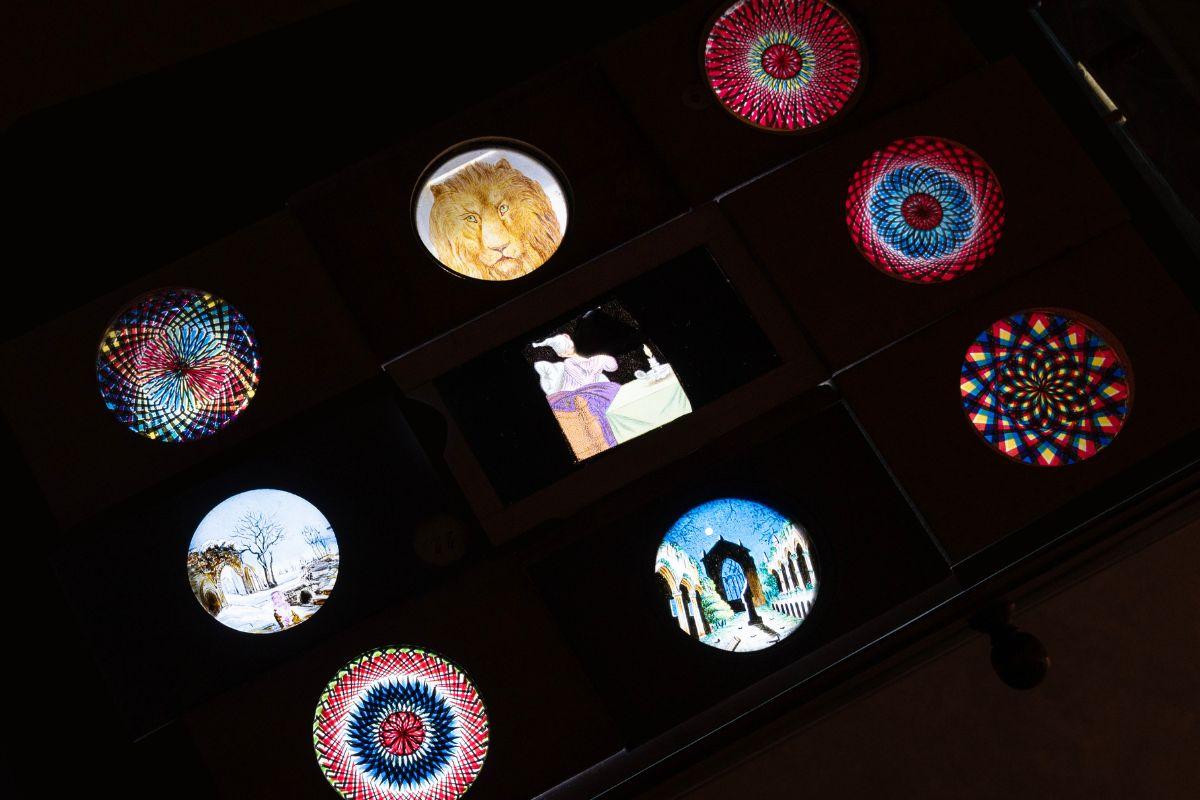
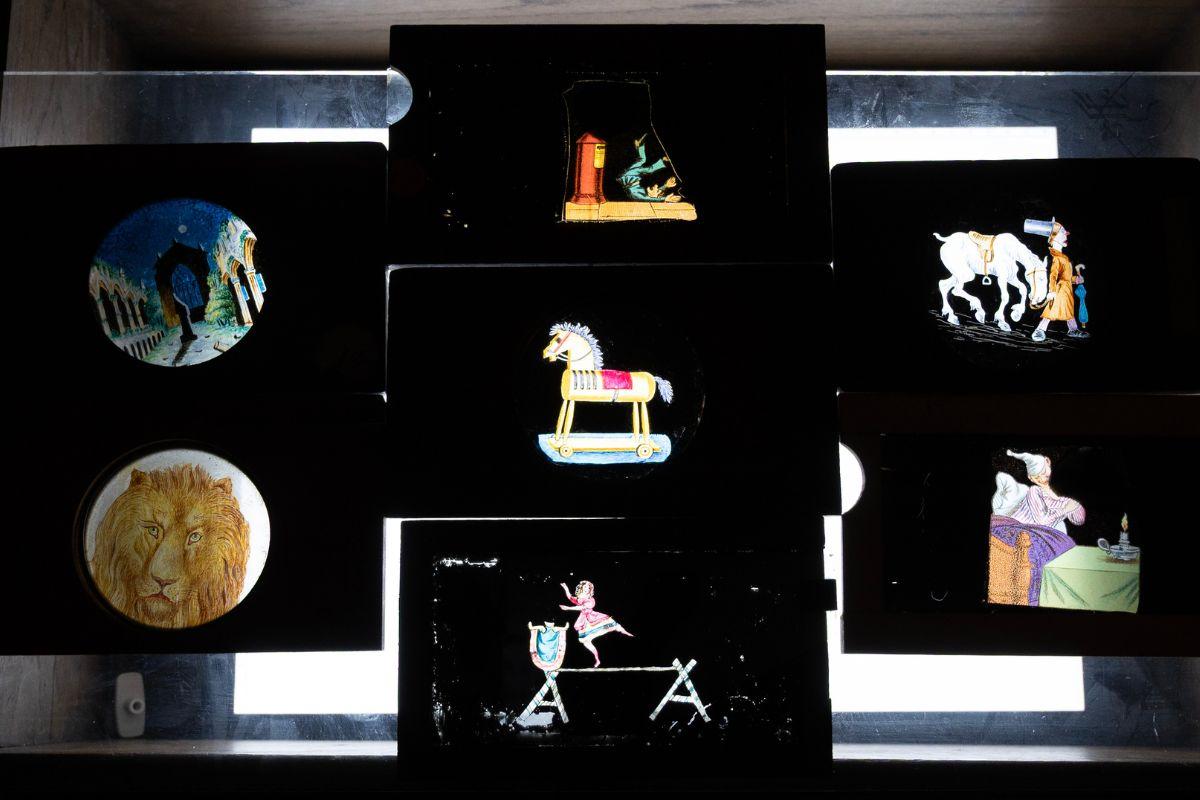
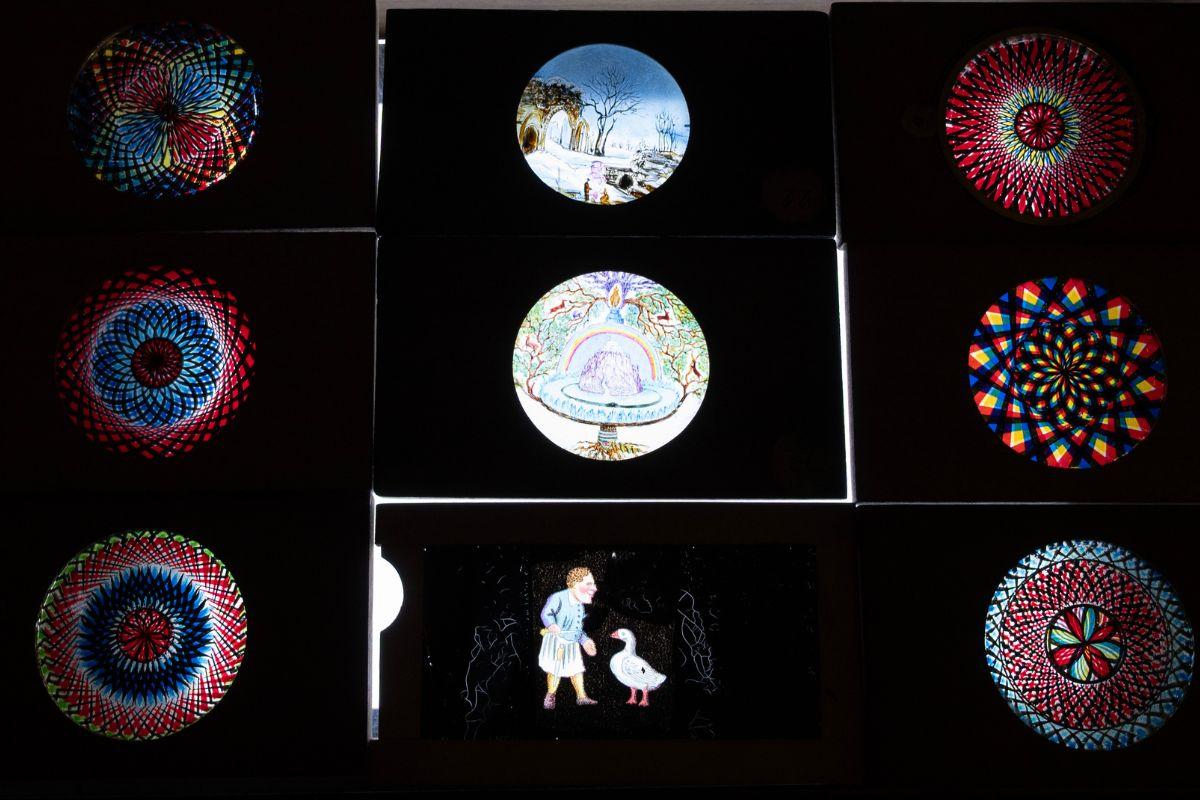
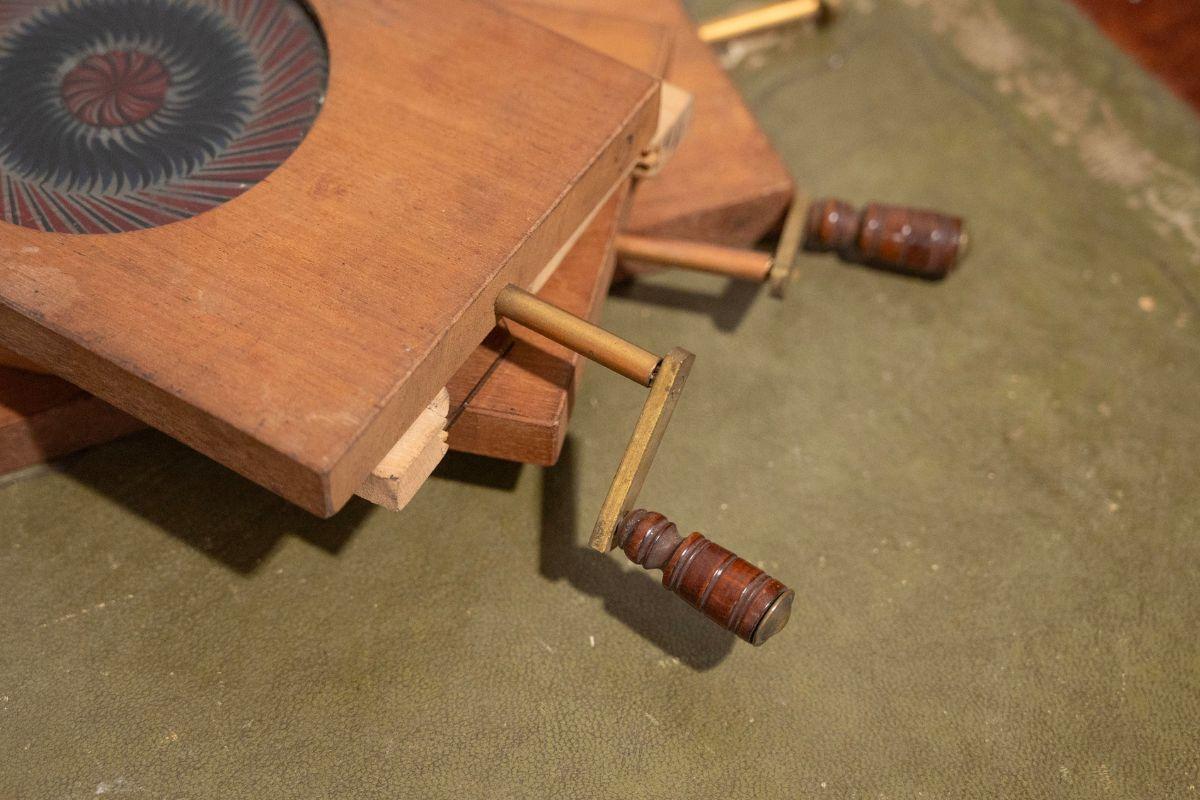
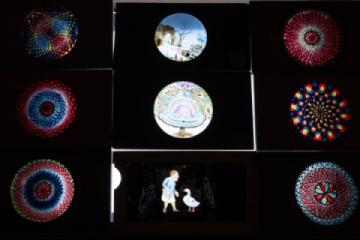
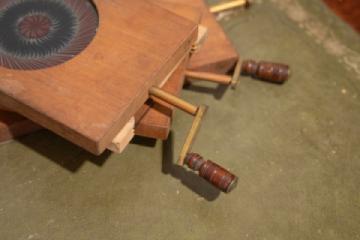
A collection of 19th-century chronocolour magic lantern slides, mostly humour, to include six vintage magic lantern kaleidoscope slides with original turning handles. Unknown maker.
Lot 282 in our forthcoming Antiques & Interiors Sale on Wednesday, 6th May, brings together a collection of 19th-century chronocolour magic lantern slides, predominantly humorous in subject, and including six kaleidoscope examples with original turning handles. Combining visual appeal with mechanical ingenuity, this group offers an engaging entry point into the world of early projection and remains of particular interest to collectors of optical devices and pre-cinema material.
A Brief History Of The Magic Lantern
The magic lantern, developed in the 17th-century and often credited to Christiaan Huygens, was one of the earliest image projection devices. Using a simple combination of light source, lens, and painted glass slide, it allowed images to be projected onto a wall in a darkened room.
By the 18th- and 19th-centuries, the magic lantern had become a widespread form of entertainment and education. Travelling showmen, lecturers, and missionaries used lanterns to present illustrated talks, while theatrical “phantasmagoria” shows created dramatic ghostly illusions for audiences. As technology advanced, light sources evolved from candles and oil lamps to limelight and eventually electricity, allowing for brighter and larger projections.
By the late 19th century, magic lantern shows were a familiar feature of both public and domestic life, before gradually being superseded by early cinema in the early 20th-century. Despite this, they remain an important precursor to modern film and projection technology.
What Is A Magic Lantern And How Did It Work?
A magic lantern is an early optical projector designed to display images painted or photographed onto glass slides. These slides were inserted into the lantern and illuminated from behind, projecting the image through a lens onto a surface.
Slides varied widely in type and complexity. The earliest examples were simple hand-painted images, but by the Victorian period, increasing sophistication led to the development of:
Static slides – photographic images
Narrative sets – sequences used to tell stories or illustrate lectures
Dissolving views – where one projected image slowly faded into another, creating a seamless transition similar to a modern film dissolve. Using two matched lanterns, the showman would diminish light on one scene while increasing it on another, often depicting dramatic shifts like day-to-night or summer-to-winter.
Mechanical slides – incorporating moving parts to create animation effects, by using mechanisms like levers, gears, and sliding panels, operators could animate scenes, such as moving ships, flying birds, or rotating a kaleidoscope.
These innovations allowed projectionists to create surprisingly dynamic visual experiences long before the advent of film.
Mechanical Slides And Chromatropes
Among the most collectable types - as magic lantern slides were typically mass-produced - are mechanical slides, such as those included in this collection. Often housed in wooden frames and fitted with side handles or cranks, these slides enabled the projectionist to introduce movement into the image. By manually operating the mechanism, scenes could be animated; ships could rock, figures could move, and landscapes could shift.
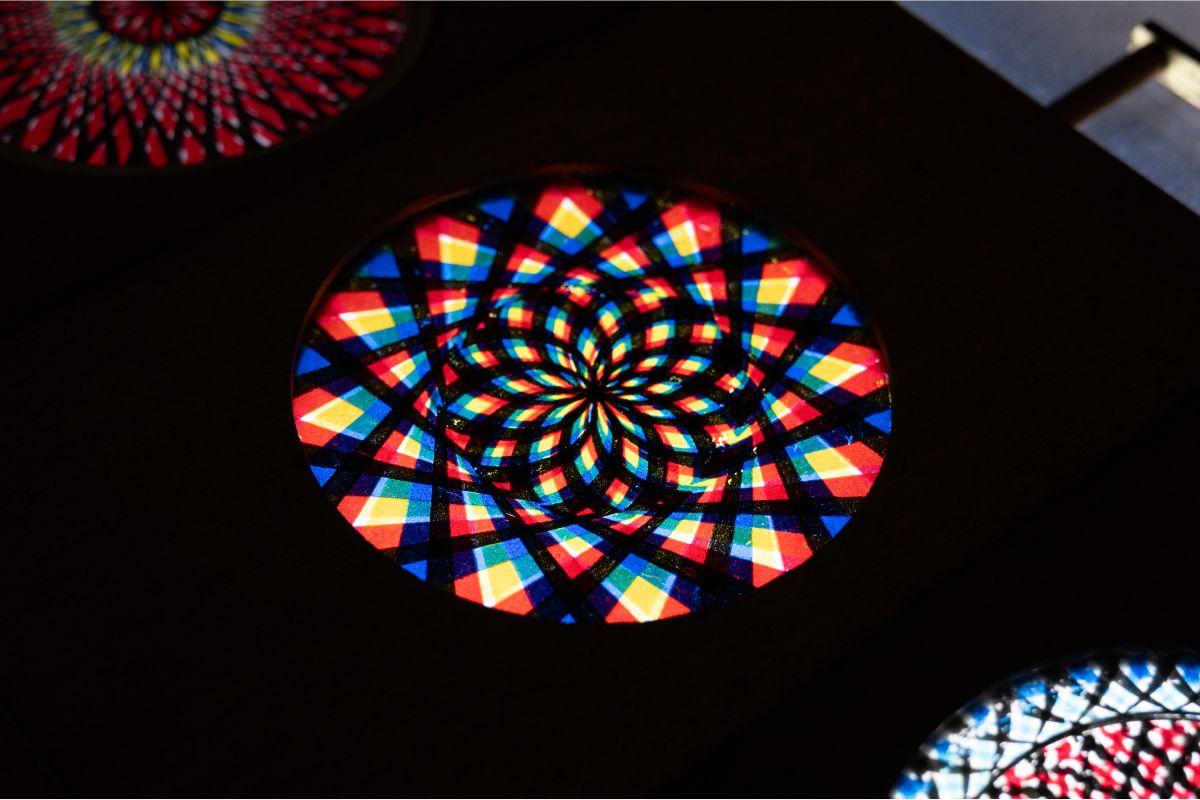
A particularly striking form is the chromatrope (or kaleidoscope slide), which uses a geared mechanism to rotate two painted glass discs in opposite directions. The result is a continuously changing display of symmetrical, kaleidoscopic colour patterns when projected. Typically mounted in mahogany frames with brass fittings, these slides were both technically inventive and visually captivating, and they remain highly recognisable today.
Rarity, Condition & Appeal
Magic lantern slides are now widely collected as examples of early visual technology and Victorian popular culture. As they were produced in great numbers due to their popularity at the time, there are a few things to consider when trying to determine whether they have value or are sought after.
Mechanical slides, particularly chromatropes, are among the most sought-after due to their moving parts and the visual effects they produce when projected. Collectability is typically influenced by a combination of factors, including age, subject matter, and condition. Early photographic slides can attract collectors, particularly when they depict identifiable places or subjects. Complete boxed sets are less common and are valued for their context and completeness, while unusual themes, such as scientific, medical, or theatrical subjects, can further enhance appeal. Well-known British makers include Carpenter & Westley, Newton & Co., and York & Son, all of which produced high-quality slides for both entertainment and educational use. Most slides, however, were not marked, so those found to have any marks are more highly sought after.
Well-preserved examples, especially those retaining their original components and functioning mechanisms, are generally more desirable, while groups that illustrate a range of slide types can offer broader appeal to collectors.
Sell With RWB Auctions
Do you have any vintage or antique technology or scientific instruments at home that you would like to know the value of, or perhaps you'd like to see them go to a collector or institution who would give them a good home so they can be treasured for years to come? Here at RWB Auctions, we offer free, no-obligation valuations every Monday and Tuesday at our High Street offices. Our friendly team are ready and waiting to discuss your items and guide you through the process. Contact us via email at office@rwbauctions.com or call us on 01793 840777.