Oliver Carter Of Wootton Bassett Clock Face And Movement
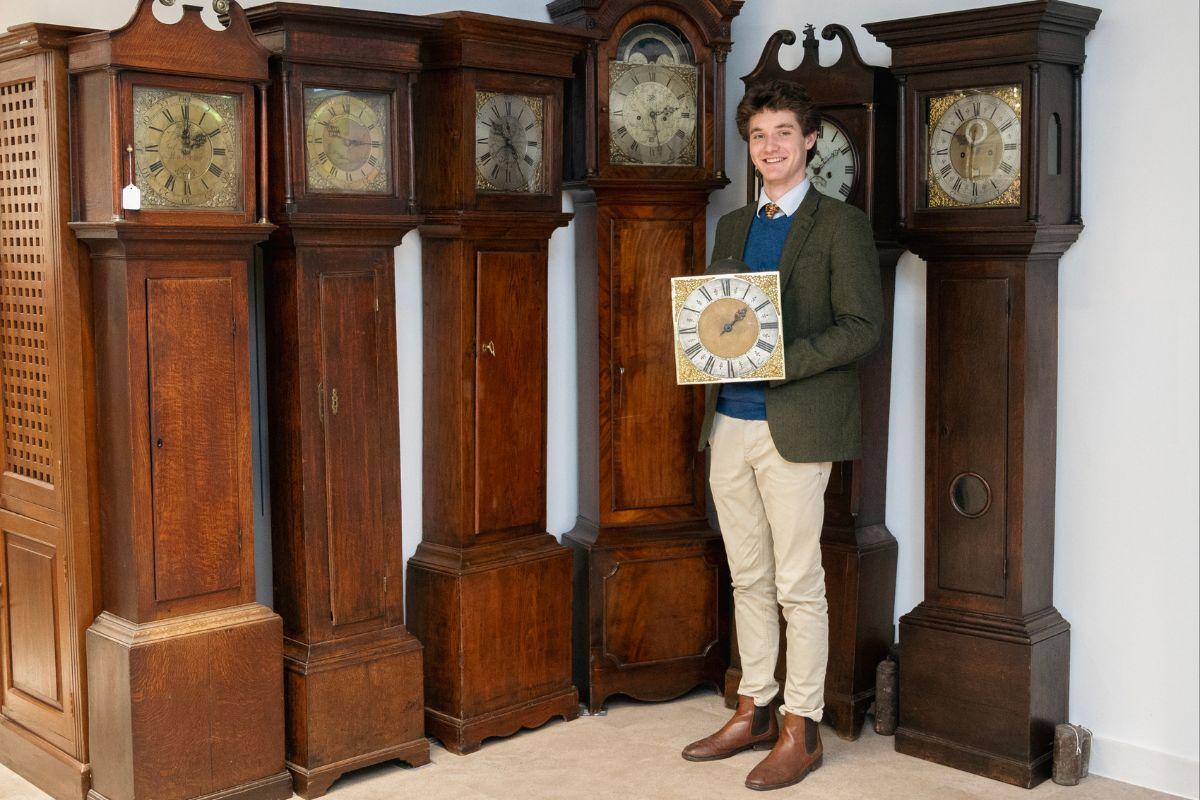
Oliver Carter Of Wootton Bassett Clock Face And Movement
- Sale Date: 4th March 2026
- Estimated Price: 80.00
- Gavel Price: £440.00
Item Description
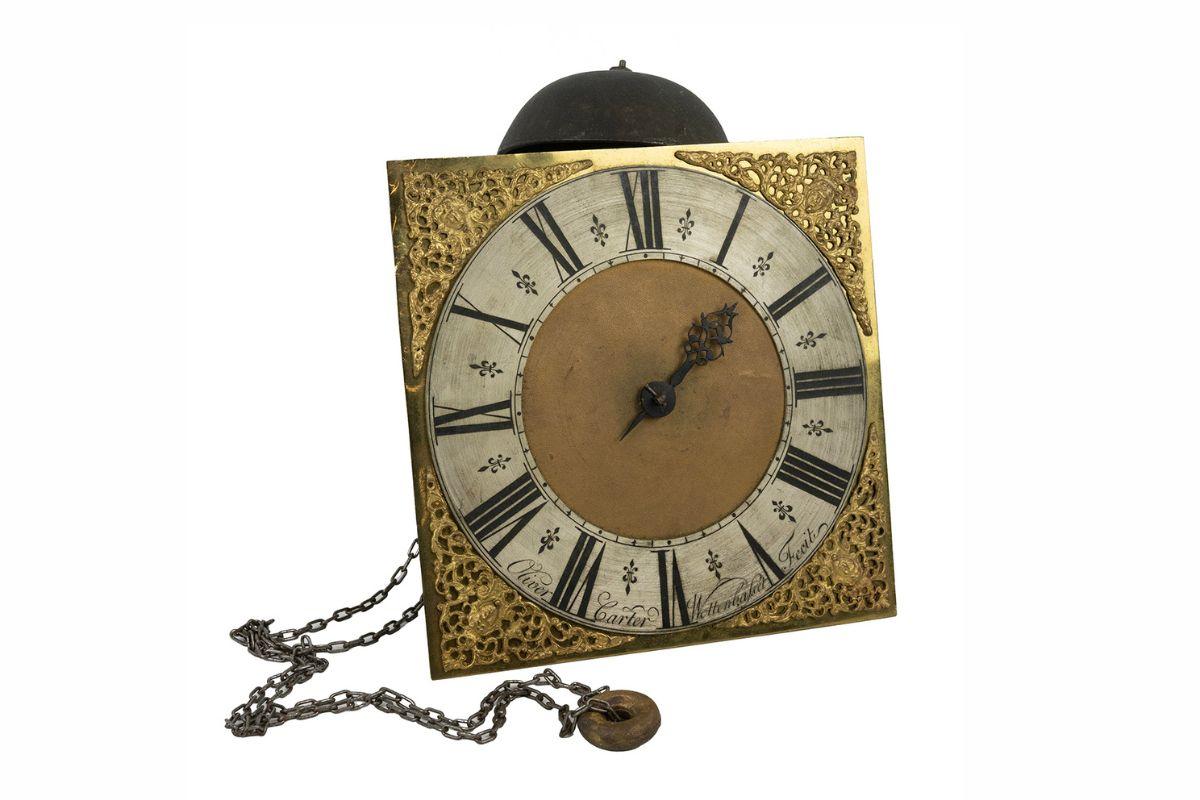
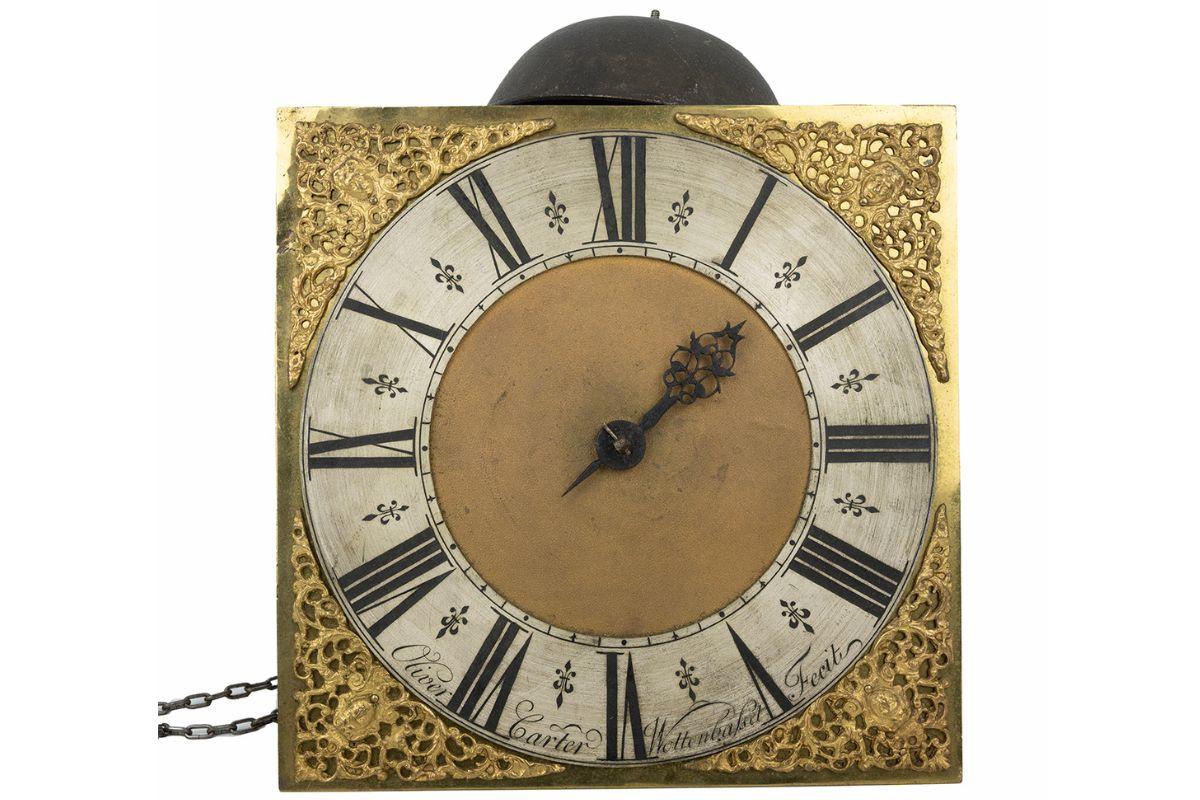
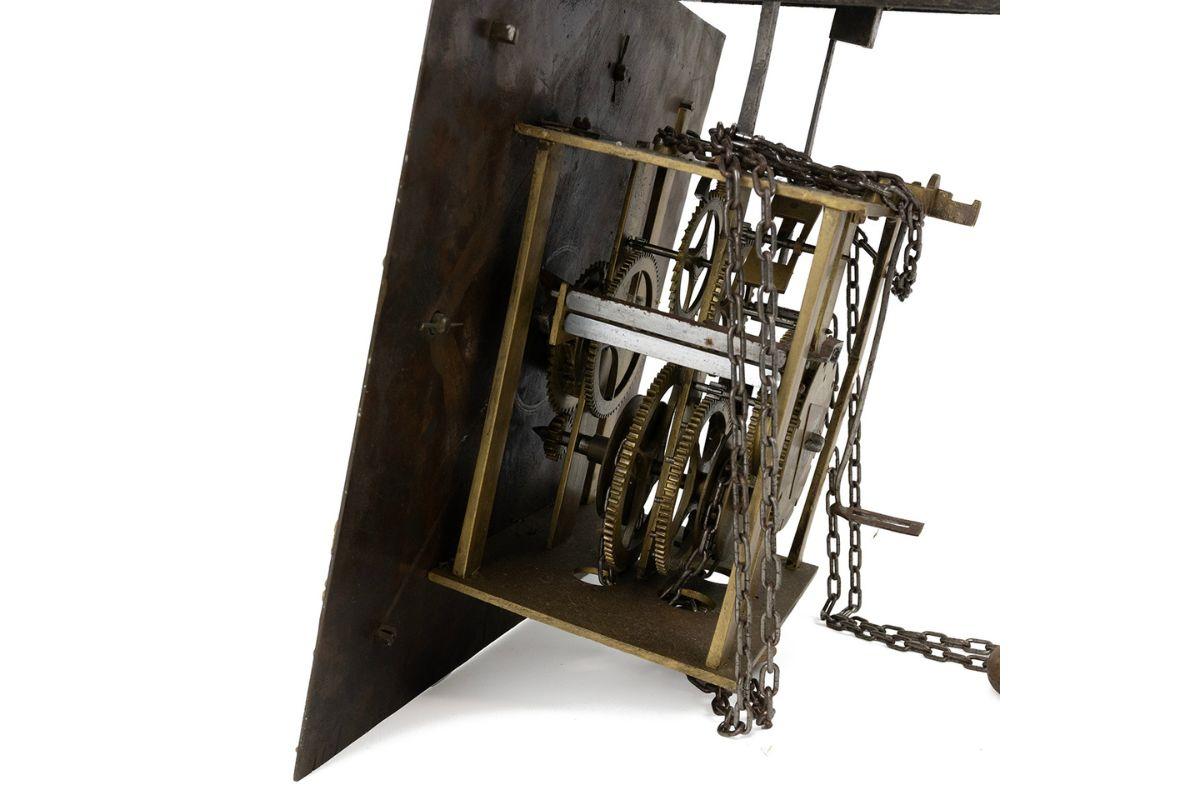
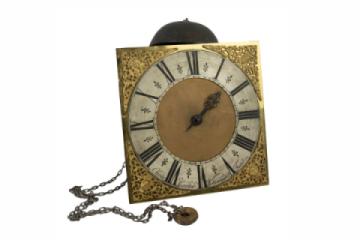
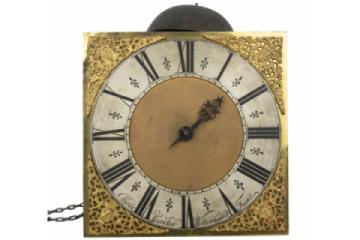
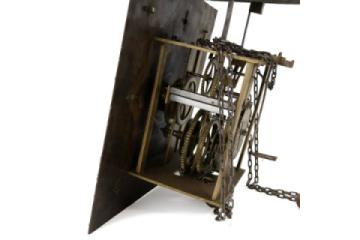
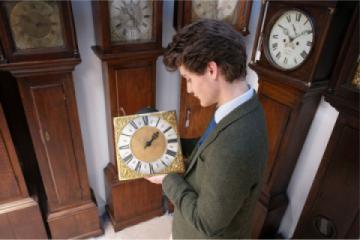
Local interest, Oliver Carter of Wootton Basset, a brass clock face with 30-hour movement, marked to face Oliver Carter Wootton Basset Fecit, with Roman numeral increments, and acanthus style decorative spandrels, circa 1736.
There is very little information about the life and the clocks of Oliver Carter, besides the fact that he was the local coroner. One other example of his horology can be found in the Royal Wootton Bassett Town Hall.
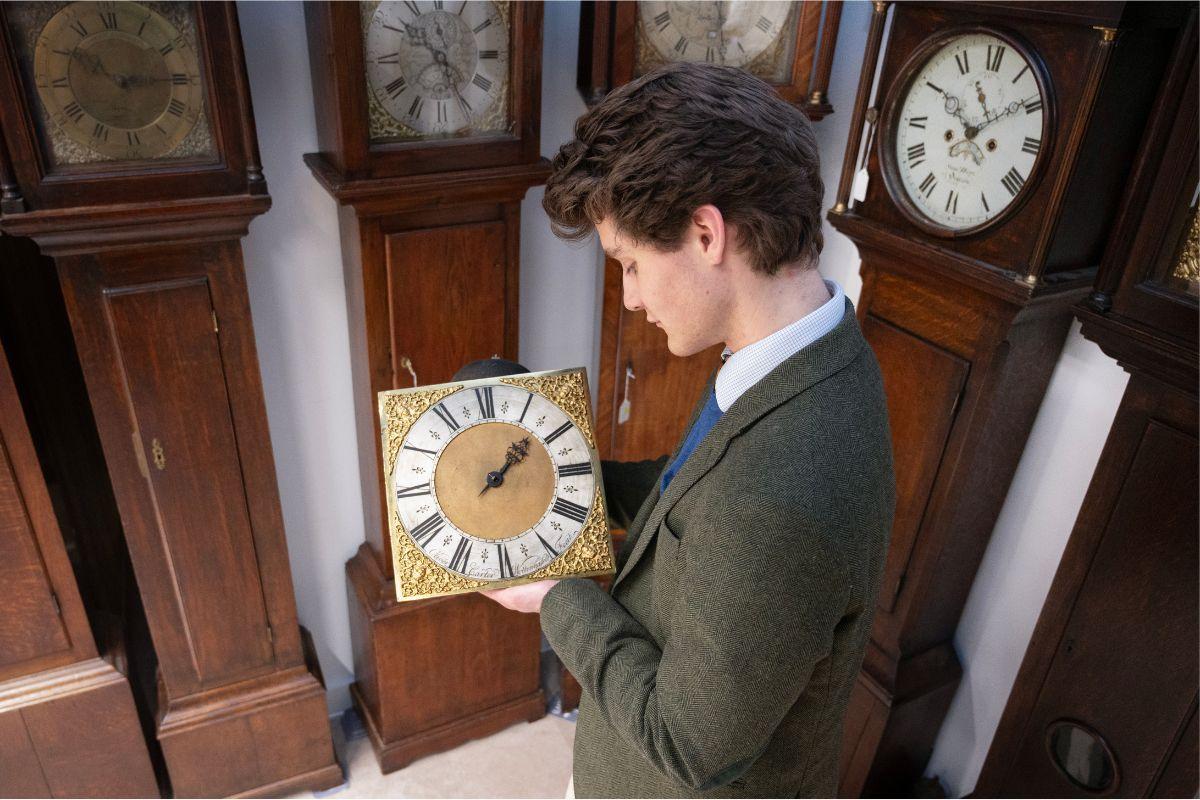
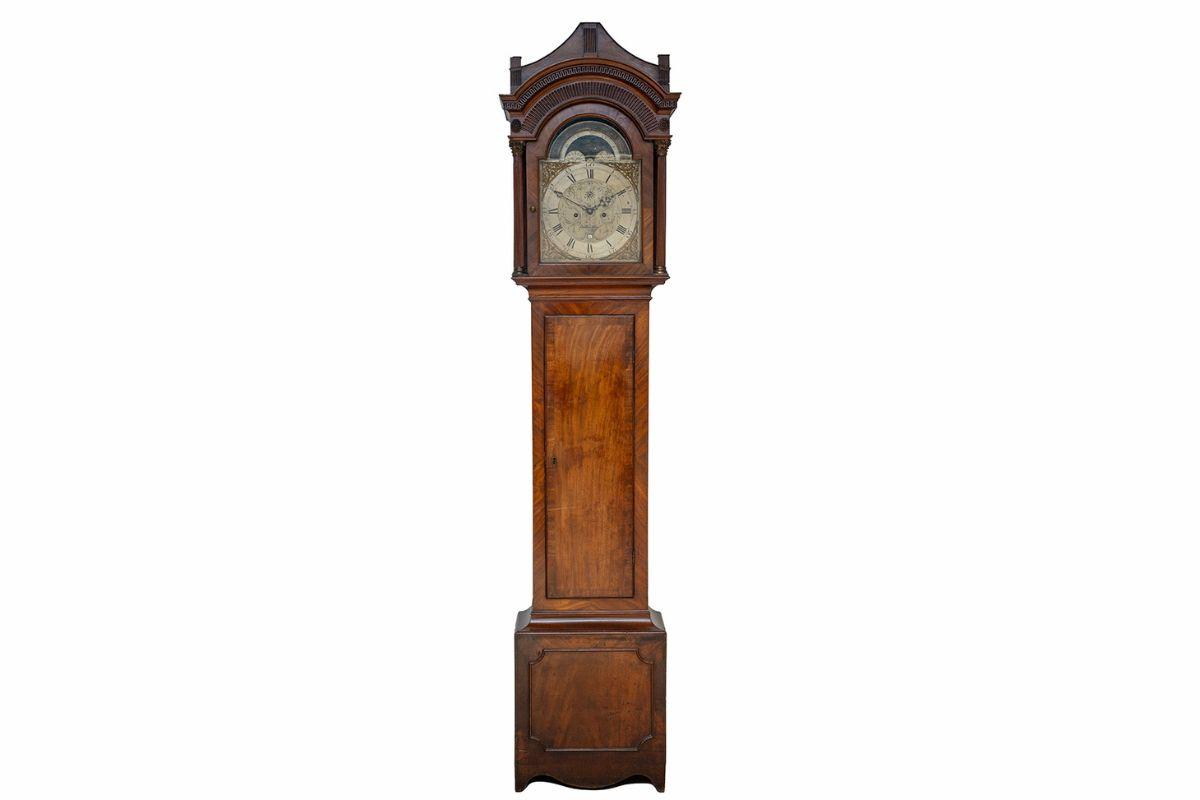
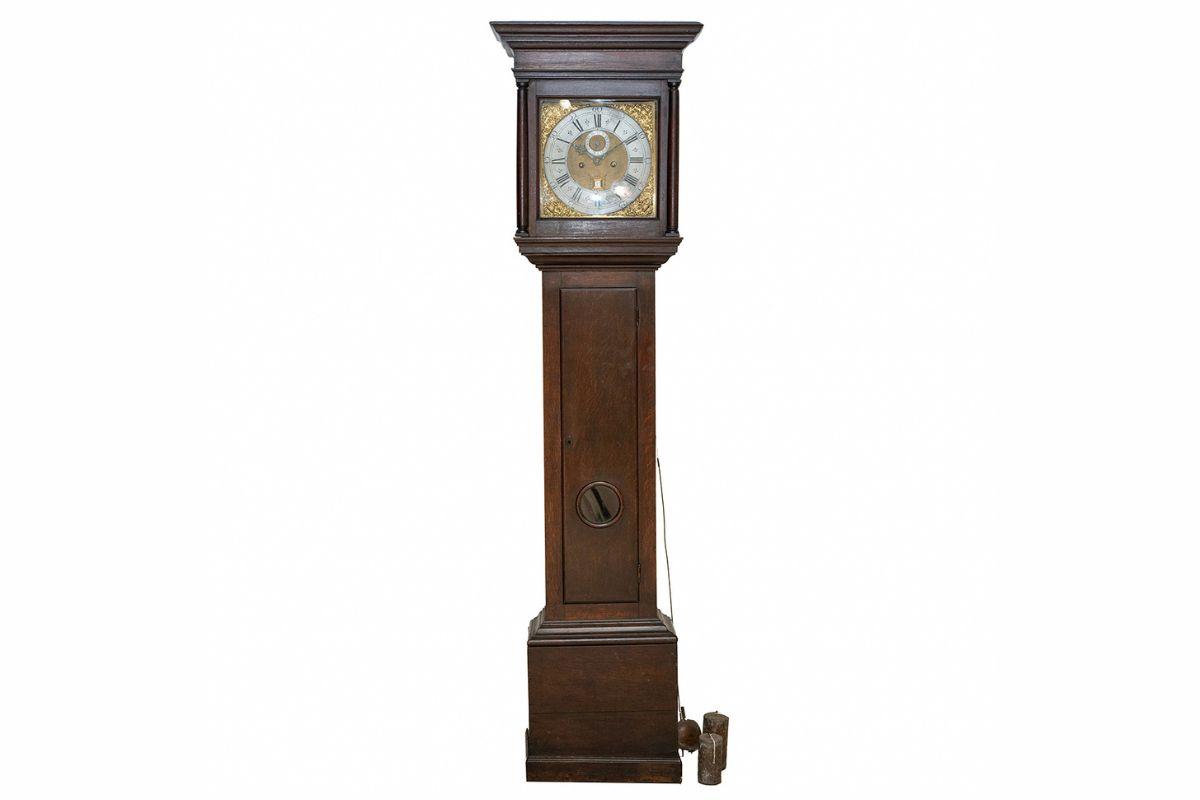
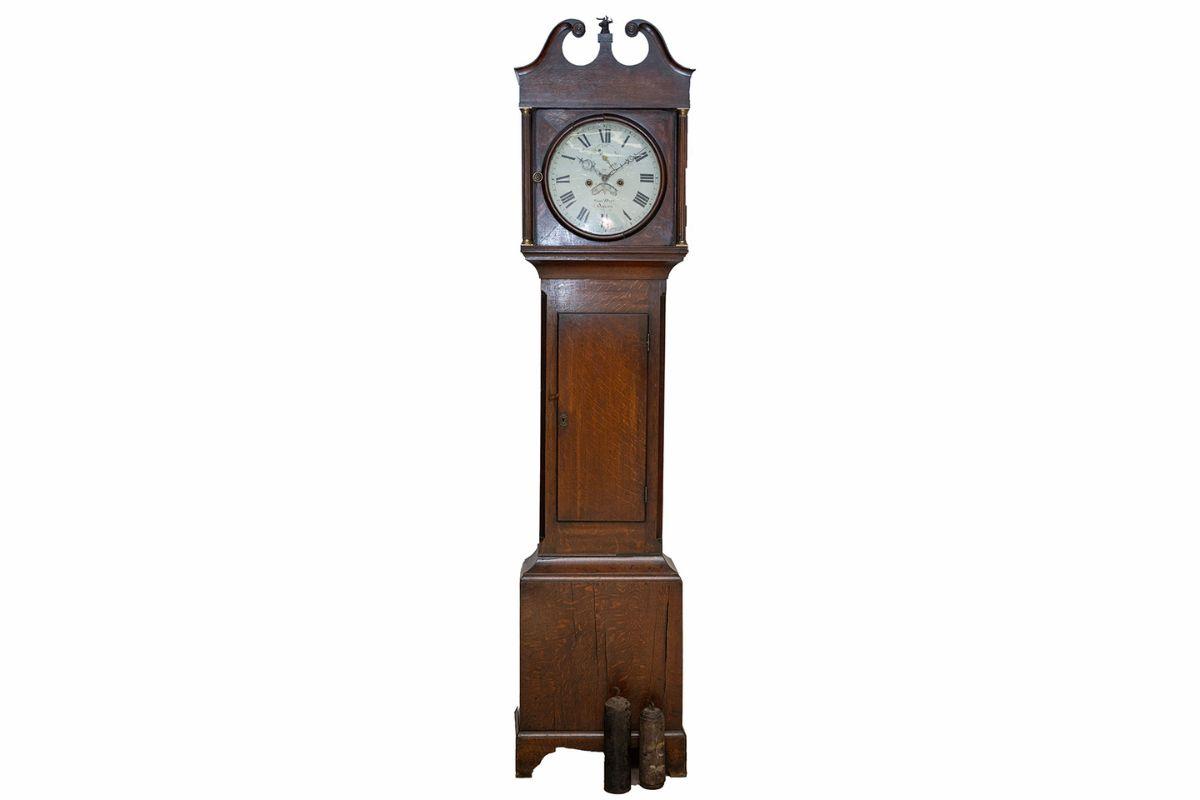
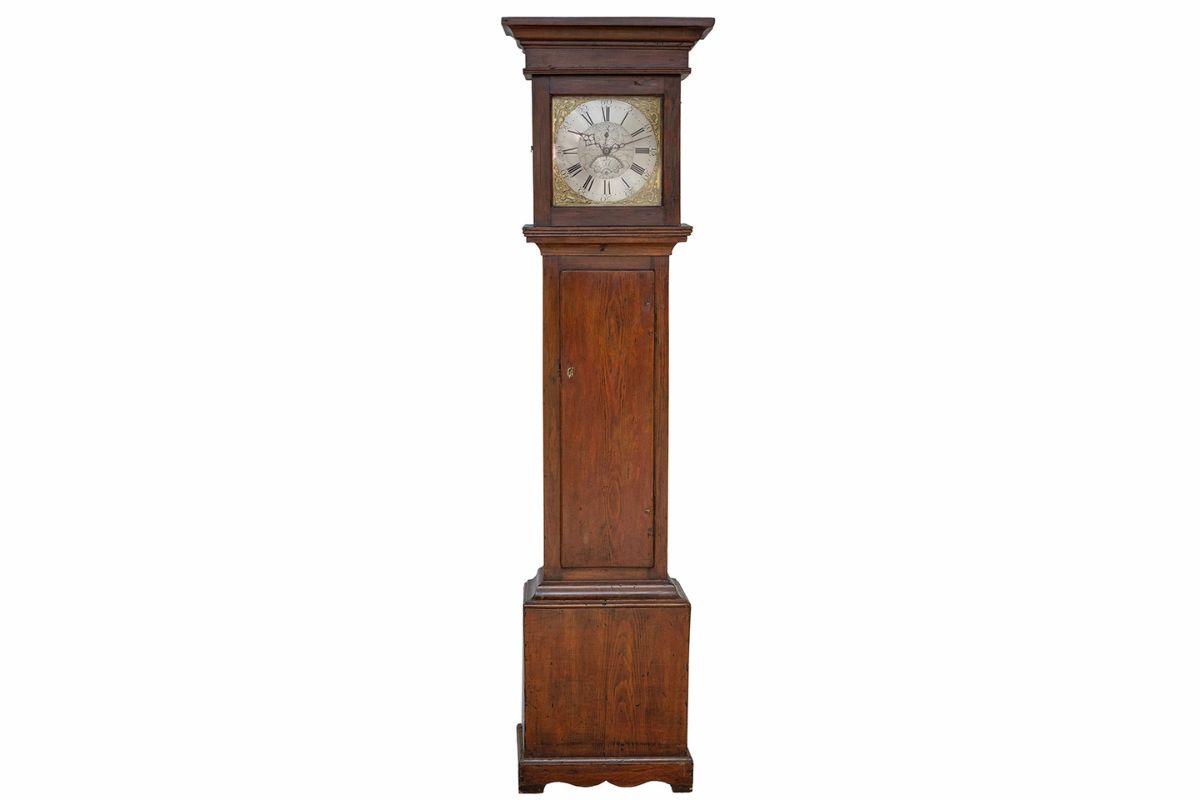
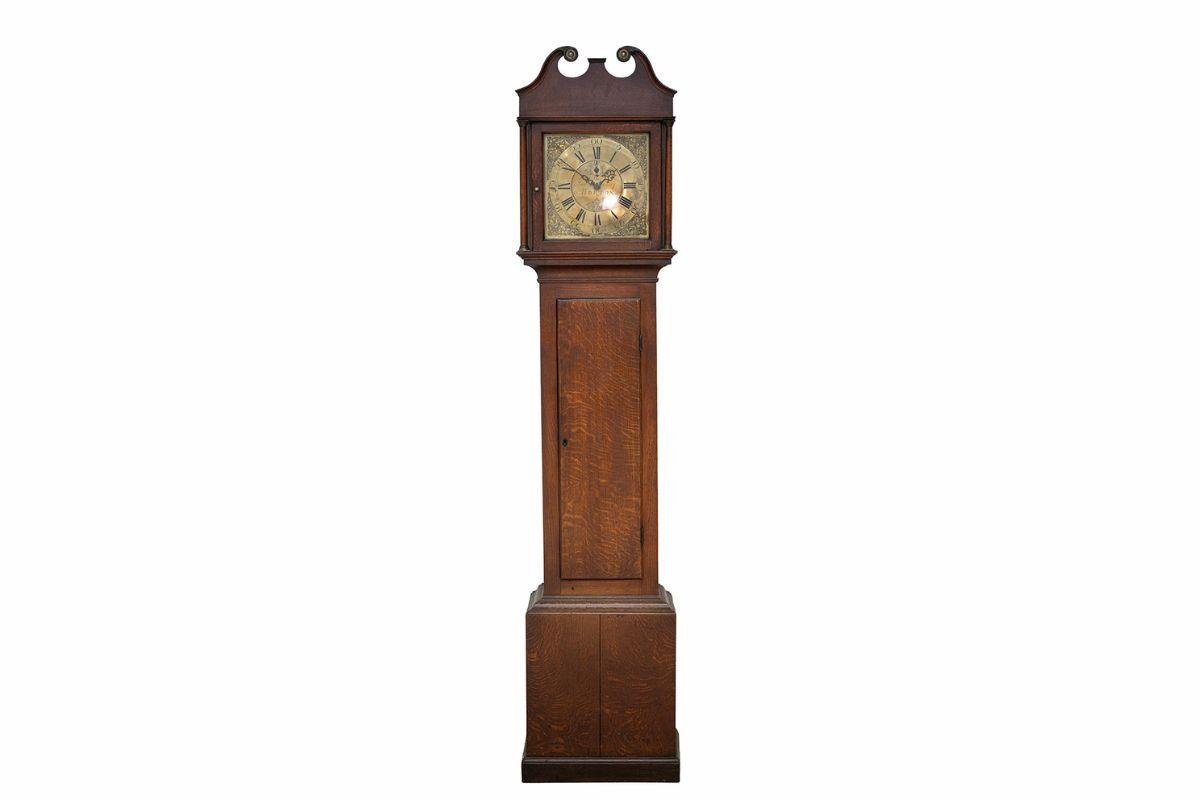
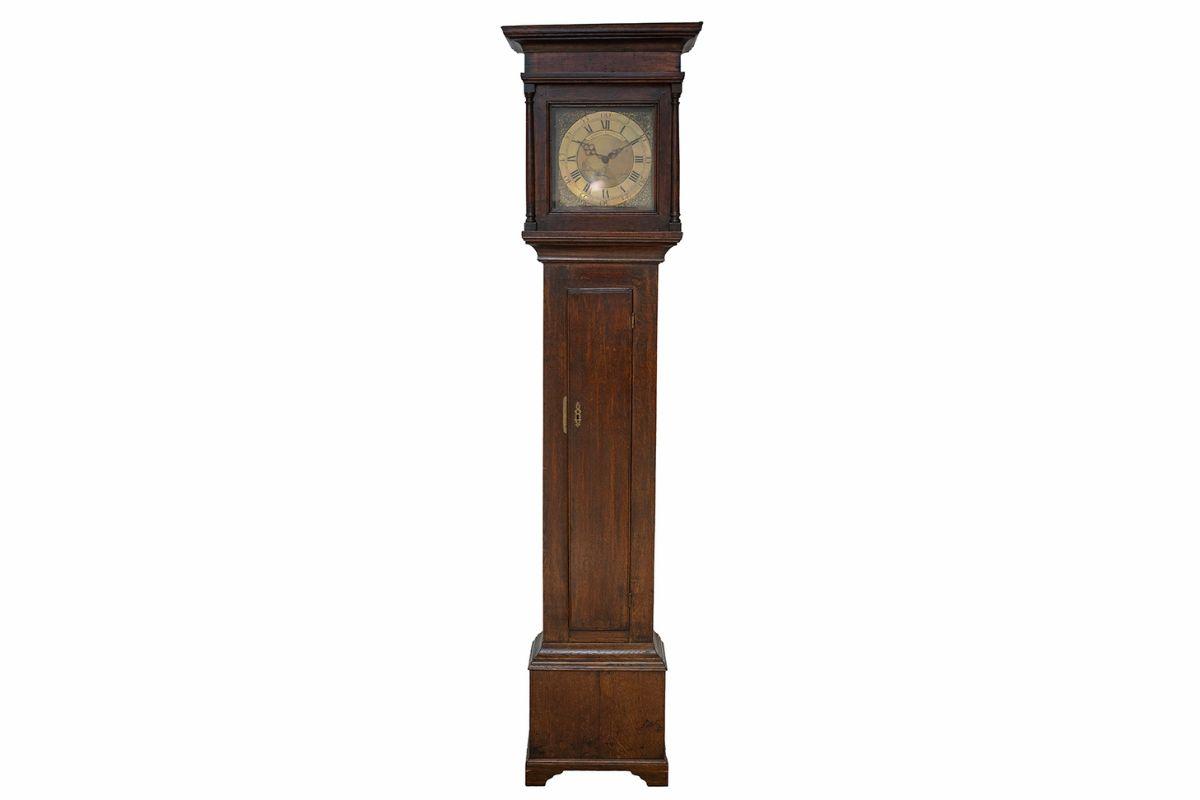
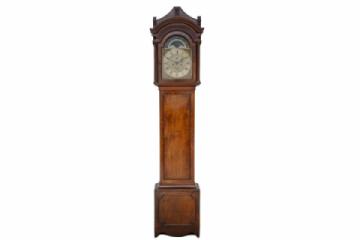
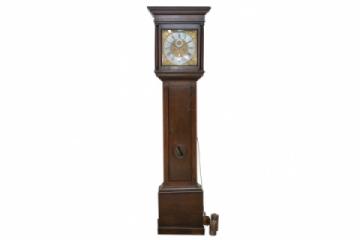
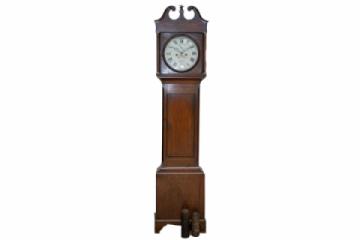
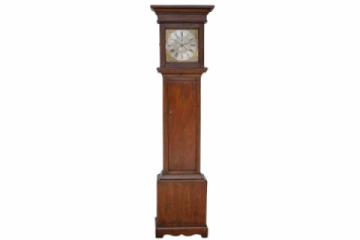
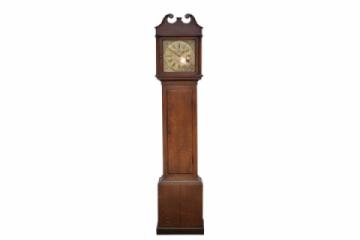
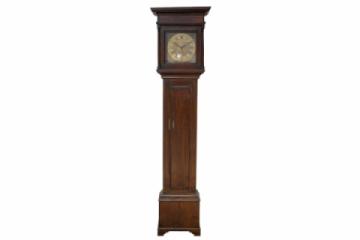
This month's Antiques & Interiors sale boasts a clock collector's dream, a private collection of longcase clocks, all by local Wiltshire makers, as well as a clock-face and movement by an 18th-century clockmaker from our very own town of (Royal) Wootton Bassett are to go under the hammer on Wednesday 4th March.
A Brief History Of Longcase Clocks
Collectable 18th- and 19th-century longcase (or Grandfather) clocks, represent some of the finest examples of English provincial craftsmanship, and those made by local Wiltshire makers are particularly appealing to collectors today. Rising to prominence in the late 17th-century following the introduction of the long pendulum, which greatly increased the accuracy, the longcase clock quickly became a symbol of status and permanence within the home. By the 18th-century, clockmaking had flourished not only in London but across regional centres, with skilled craftsmen establishing workshops in market towns throughout Wiltshire.
Towns such as Salisbury, Devizes, Marlborough and Chippenham developed their own respected clockmaking traditions. Wiltshire makers often produced elegant oak or mahogany cases reflecting local cabinetmaking styles, housing reliable eight-day or thirty-hour movements. Many featured beautifully engraved brass dials, subsidiary seconds, date apertures, and, in some cases, moon phase complications. Each clock was typically signed on the dial by its maker and town, offering collectors a tangible link to local history and craftsmanship.
The 17th- and 18th-century period is often regarded as the 'Golden Age' of English clockmaking, with makers adhering to high standards of mechanical precision and decorative artistry. By the 19th century, advances in manufacturing made clocks more widely available, yet provincial makers continued to produce finely finished, individually crafted pieces. Earlier examples, particularly those retaining original movements, dials, hands, and cases, are especially prized.
Wiltshire longcase clocks are sought after not only for their aesthetic presence but also for their historical significance. They often remained within local families for generations, making well-documented provenance particularly desirable. Collectors value the individuality of provincial makers, the charm of subtle regional variations in dial engraving and case design, and the enduring reliability of these remarkable timepieces.
Today, a good 18th- or early 19th-century Wiltshire longcase clock represents more than a decorative statement; it is a piece of working history, a testament to the skill of local craftsmen and the enduring appeal of traditional English horology.
How To Date A Longcase Clock
Dating a longcase clock is a rewarding exercise in detective work, and a few key features can quickly point you in the right direction.
Start with the dial: brass dials are typically earlier, most common from around 1700 to the 1770s, while painted dials came into fashion from the late 18th-century through to the mid-19th-century. The movement also offers clues: 30-hour movements (which require daily winding) are often found in earlier or more modest provincial examples, whereas 8-day movements became increasingly popular from the mid-18th-century onwards.
The case tells its own story. Walnut-veneered cases usually suggest an early 18th-century date, mahogany points toward the Georgian period, and heavier, more ornate styles often indicate the Victorian era. Many clocks are signed on the dial with the maker's name and town, which can help refine the date further.
Above all, consistency is key: when the dial, movement, and case all align stylistically, you can feel far more confident about when your clock was made.
Sell Your Clocks At Auction
Our clock experts are ready and waiting to give you a free valuation on your clocks to sell at auction with us. We hold auctions every month, and our sales are broadcast globally, giving your timepiece every opportunity to be snapped up by a collector eager to give your clock a new home. We are open every Monday and Tuesday for valuations, and we welcome you to visit us and see one of our experts to find out what your items could fetch at auction. Our friendly team will guide you through the selling process from start to finish. You'll be in good hands with RWB Auctions.
Local Maker Clocks In The Press
Grandfather Clocks at Auction (Born Again Swindonian, 27th February 2026)
Wiltshire Grandfather Clocks Go Under The Hammer (WiltsHive, 28th February 2026)
Scores of Grandfather Clocks to be Sold at Auction (BBC, 2nd March 2026)